
For many years, PlayStation’s story was straightforward to inform. Sony constructed a smooth machine, shipped a library of defining video games, and watched residing rooms internationally flip into miniature leisure hubs. The PS1 was a cultural ignition level. The PS2 turned a worldwide family equipment. The PS3 stumbled, then recovered. The PS4 dominated. The PS5 arrived with a bang, then spent its early years rationed like a luxurious merchandise.
However that outdated narrative — the console as the principle character — now not explains what Sony is doing. The reality is extra refined, extra strategic, and admittedly extra trendy: PlayStation has stopped behaving like an organization that sells a field. It’s now working like an organization that sells a life-style.
It’s the type of shift you discover not in a single product launch, however within the small selections that stack up over time: the push for subscriptions, the status branding of exclusives, the regular PC growth, the cinematic polish of first-party storytelling, and the deliberate transformation of PlayStation right into a everlasting presence in folks’s routines. It’s now not “purchase this console.” It’s “reside on this ecosystem.”
Even the web cultural overlap says one thing. The identical audiences who spend evenings chasing loot drops, battle passes, and trophy completions are sometimes searching leisure niches far outdoors gaming — from streaming platforms to sports activities betting developments to widespread $20 deposit casinos in New Zealand — as a result of trendy digital leisure is more and more a blended market of consideration. PlayStation isn’t competing with Xbox alone anymore. It’s competing with every part that wishes your time.
And which may be Sony’s most essential victory: it understands that the true battlefield just isn’t graphics, or teraflops, or loading speeds. It’s a behavior.
The PS5 is now not the star — It’s the doorway payment
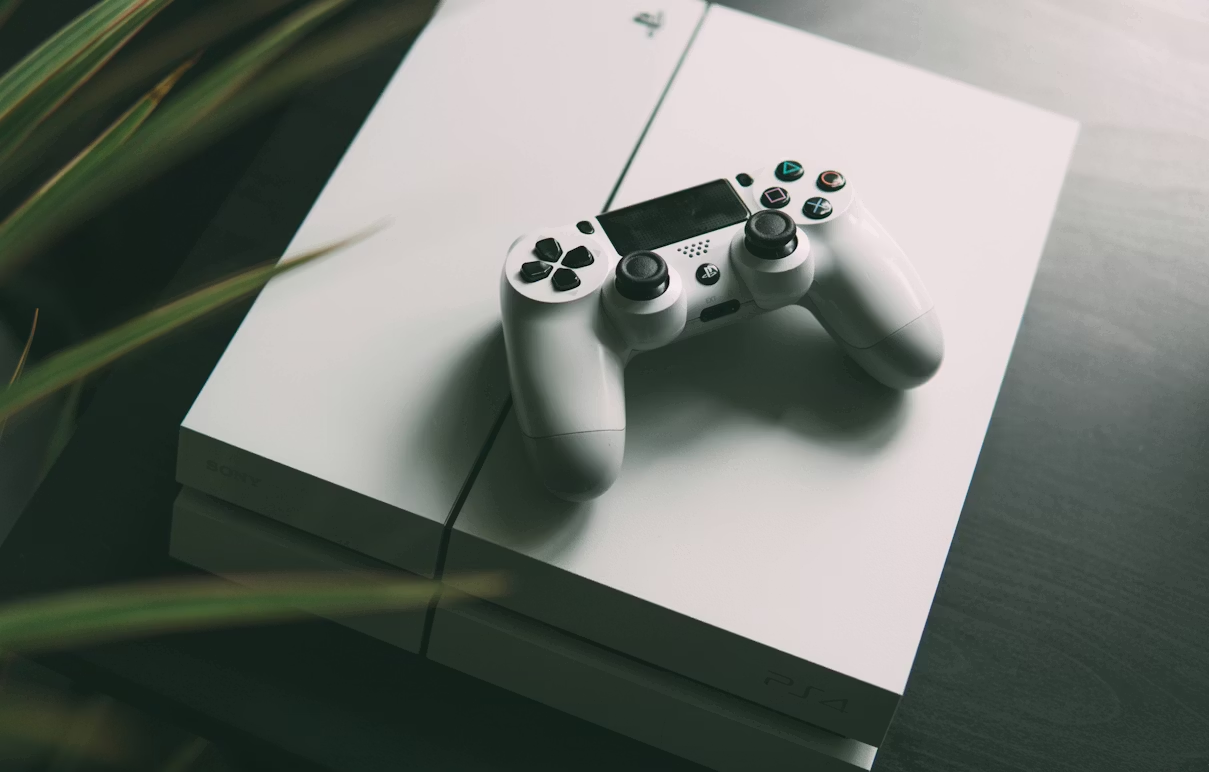
The PlayStation 5 launched as a traditional Sony flex: daring industrial design, fast SSD efficiency, and a controller that felt genuinely new. However the console itself has step by step shifted into one thing extra utilitarian. In 2026, the PS5 is much less a trophy object and extra a gateway right into a subscription financial system.
The PS5 Slim, the modular disc drive, the rise of digital-first buying — all of those adjustments sign an organization smoothing out friction. Sony’s {hardware} continues to be premium, however the enterprise mannequin is more and more about long-term retention. It’s about turning the PS5 right into a everlasting equipment, one which doesn’t should be upgraded each few years so long as it retains folks paying month-to-month.
Within the outdated days, consoles lived and died by their “generations.” Now, PlayStation is making an attempt to make the idea of generations really feel outdated — a relic of when gaming was seasonal fairly than steady.
That’s why the PS5’s greatest improve won’t be its GPU. It may be its position in Sony’s broader plan: a secure platform the place income comes from subscriptions, microtransactions, add-ons, premium editions, and the infinite re-selling of nostalgia.
And Sony is excellent at promoting nostalgia.
Sony’s Hollywood, constructed with controllers
If there’s one component of PlayStation that has solely grown stronger, it’s Sony’s first-party machine. PlayStation Studios has turn out to be much less like a conventional sport writer and extra like an leisure status label.
You’ll be able to see it in the best way Sony markets its flagship titles: The Final of Us, God of Warfare, Horizon, Spider-Man. These will not be merely “video games.” They’re handled as cultural occasions. They’re positioned with the language of movie and tv: cinematic, emotional, and premium.
Sony is now not merely competing for gamers — it’s competing for cultural legitimacy.
This strategy has actual advantages. It creates a type of luxurious aura across the model, and it permits PlayStation to justify premium pricing in a market more and more crammed with free-to-play experiences. It additionally builds franchises that may be exported to tv and movie, as Sony has finished with The Final of Us adaptation and its broader transmedia ambitions.
However the status technique comes with danger. Large-budget video games now take 5, six, even seven years to develop. The result’s a slower launch cadence and better stakes with each launch. When a $200 million venture misses the mark, it doesn’t merely disappoint followers — it may distort a complete fiscal yr.
Sony’s genius is that it understands this danger and is diversifying round it. That’s why PlayStation has leaned tougher into service-driven fashions and subscription hooks.
PlayStation Plus
PlayStation Plus was once easy: pay for on-line play, get a number of month-to-month video games, transfer on.
At this time, it’s a layered product that capabilities as Sony’s try to construct an inside Netflix for console gaming. And in a world the place gamers are more and more educated to subscribe fairly than personal, this issues greater than any console launch.
The impression of PlayStation Plus isn’t just financial. It’s psychological.
When folks pay month-to-month for a sport library, their relationship to gaming adjustments. They browse as a substitute of commit. They pattern as a substitute of end. They chase novelty fairly than mastery. They deal with video games like content material — which is strictly what trendy platforms need, as a result of content material is sticky and infinite.
Sony’s PlayStation Plus technique has successfully nudged PlayStation followers towards a brand new mindset: not “Which sport do I purchase?” however “What do I play subsequent?”
That shift has penalties for builders too, particularly smaller studios whose titles could also be found in subscription catalogs but in addition devalued within the broader notion of price.
Nonetheless, for Sony, it’s the appropriate transfer. Subscription fashions create predictable income. Predictable income creates stability. Stability makes shareholders joyful.
And in 2026, stability is the rarest commodity in gaming.
The PC Growth
If you wish to see how PlayStation has matured, take a look at the best way it has approached PC releases.
Years in the past, suggesting that Sony exclusives would arrive on Steam would have seemed like heresy. At this time, it’s regular. God of Warfare on PC. Spider-Man on PC. Horizon on PC. Even The Final of Us.
Sony is doing what the music business did years in the past: it stopped pretending that exclusivity is the one path to revenue. As an alternative, it’s utilizing exclusivity as a timed advertising and marketing device. PlayStation nonetheless will get the preliminary “you will need to purchase our console” rush, however later it will get a second wave of income from the PC viewers.
This isn’t Sony abandoning PlayStation identification. It’s Sony monetizing it twice.
The outrage from purists is comprehensible, but in addition outdated. Console ecosystems are now not castles with moats. They’re airports. Individuals come and go. What issues is whether or not they maintain spending.
And Sony is guaranteeing they do.
Consideration, time, and digital identification
PlayStation’s most essential competitors just isn’t Xbox. It isn’t Nintendo. It isn’t even PC gaming.
It’s TikTok. It’s Netflix. It’s Fortnite. It’s Discord. It’s the infinite trendy buffet of digital distraction.
Sony understands that the fashionable gamer isn’t just shopping for a console — they’re selecting an identification. They’re selecting the place their evenings reside, the place their friendships collect, the place their achievements accumulate, the place their screenshots go, and the place their reminiscences are saved.
That’s why PlayStation’s consumer interface, trophy system, social options, streaming instruments, and cross-platform ambitions matter as a lot as sport releases. Sony is constructing a world gamers can inhabit, not merely a product they’ll buy.
And it’s working.
The place PlayStation nonetheless feels weak
PlayStation’s technique is spectacular, nevertheless it isn’t invincible. Sony has made itself depending on blockbuster titles that take too lengthy to develop, and its live-service ambitions haven’t but confirmed they’ll match the dimensions of the business’s giants.
There may be additionally the persistent difficulty of pricing. The PS5 is pricey. Controllers are costly. First-party video games are costly. Subscription tiers add one other layer. Sony is betting that its viewers will tolerate premium prices as a result of PlayStation has turn out to be synonymous with premium experiences.
That wager holds right now. However client persistence just isn’t infinite.
Nonetheless, Sony has constructed an ecosystem that’s remarkably cohesive. It isn’t the loudest model in gaming, however it could be probably the most assured.
And confidence just isn’t a advertising and marketing slogan. It’s an operational philosophy.
Ultimately, the PS5 could also be remembered not as Sony’s most revolutionary console — however because the second PlayStation stopped being a product and have become a long-term subscription to your personal free time.


![[Dev] Want some preliminary gamers for a easy recreation made by me](https://i0.wp.com/preview.redd.it/i5domj7qzsug1.jpg?width=140&height=140&crop=1:1,smart&auto=webp&s=fb15028b3569550ef517dea97d58f1868509b372&w=120&resize=120,86&ssl=1)


