
It is taking place once more. You have ignored your physique’s alarms and pushed your self properly past the brink of exhaustion. It is Monday, or possibly Thursday, however who’s preserving observe anymore? Your physique strikes independently from thought—both unconcerned or incapable of addressing the rising detachment—and also you repeat the identical, torturous every day routine with a mechanical ease.
You are not bodily held hostage, however the perception that you simply’re trapped turns into a self-fulfilling prophecy. That is the crux of Luto, a first-person psychological horror recreation aesthetically much like P.T. and narrated by The Stanley Parable’s distant cousin. It is complicated, terrifying, cheeky, and touching . I beat it in simply two quick classes over the vacations, however that was sufficient to show me right into a snotty, blubbering mess by the tip of all of it.
“It is a recreation about grief,” I say, prefer it’s some profound declaration you’ve got by no means heard. Which may be a very draining assertion a few recreation launched in the identical yr as one other anguished darling, Clair Obscur: Expedition 33, however we have been attempting to determine tips on how to greatest categorical loss since people first carved their portraits of grief into cave partitions. And whereas it is solely 5 – 6 hours of first-person horror, Luto is sort of good at simulating what occurs within the face of insufferable absence.
Associated articles
Once I consider P.T. impressed horror video games, Visage is the primary that involves thoughts, although Luto is not practically as huge on the in-your-face terror. They share the identical tense dread (together with the occasional jumpscare), certain, however their largest commonality is the environmental tips deployed by a home holding you hostage. It is all regular at a look, however there are secrets and techniques within the partitions.
As Sam, you will repeatedly attempt (and fail) to achieve the entrance door whereas the home and its omnipresent narrator develop extra antagonistic with each tried escape. Irrespective of how onerous you attempt, there’s all the time one thing barring Sam from the exit. You will discover his keys, flip the knob to go away, and out of the blue the display goes black. The day is gone. You tried to exit on a Monday, however now it is Thursday, and also you’re within the lavatory with no method to account for the misplaced time. We have all been there.
Picture 1 of 5
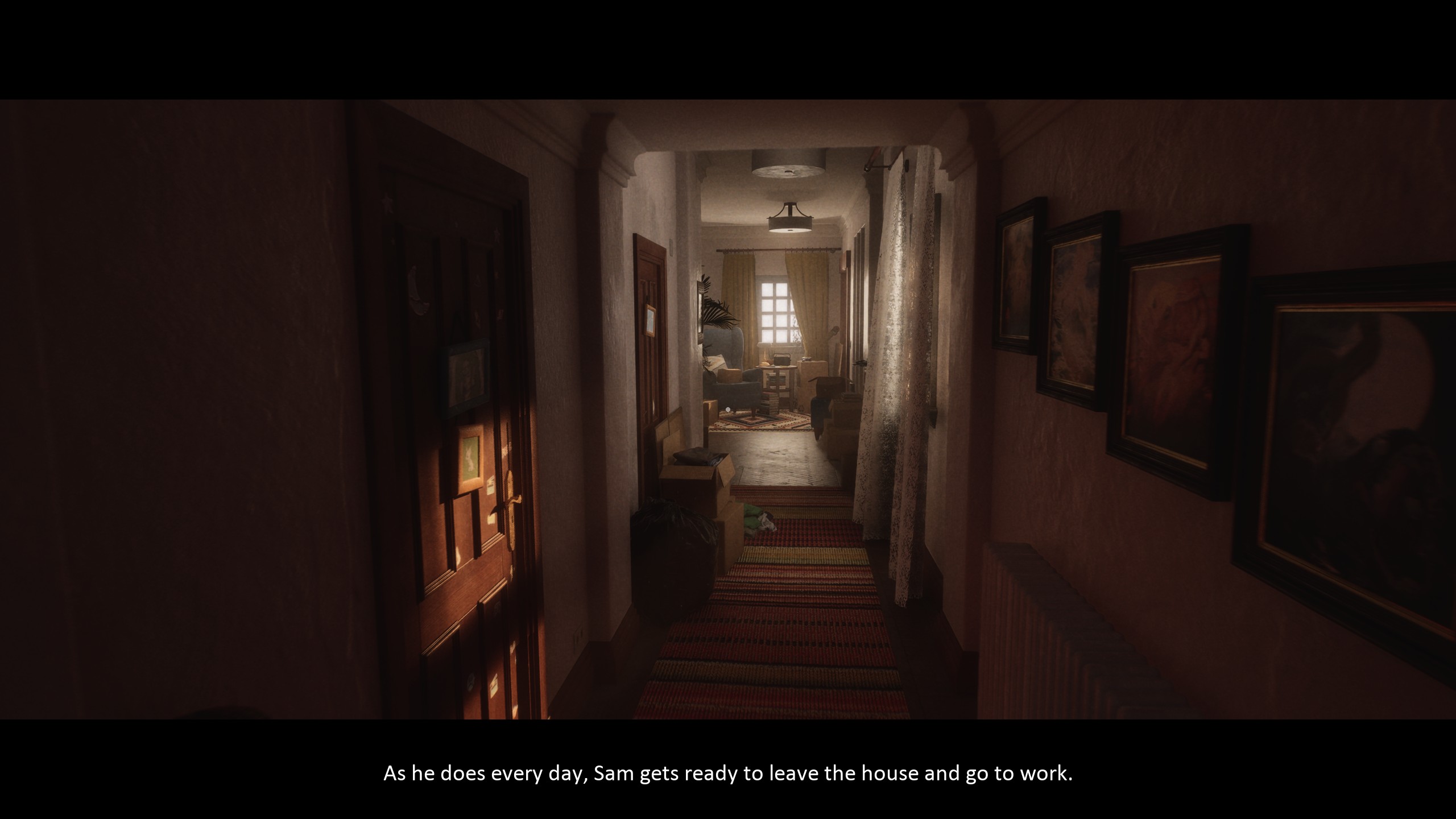
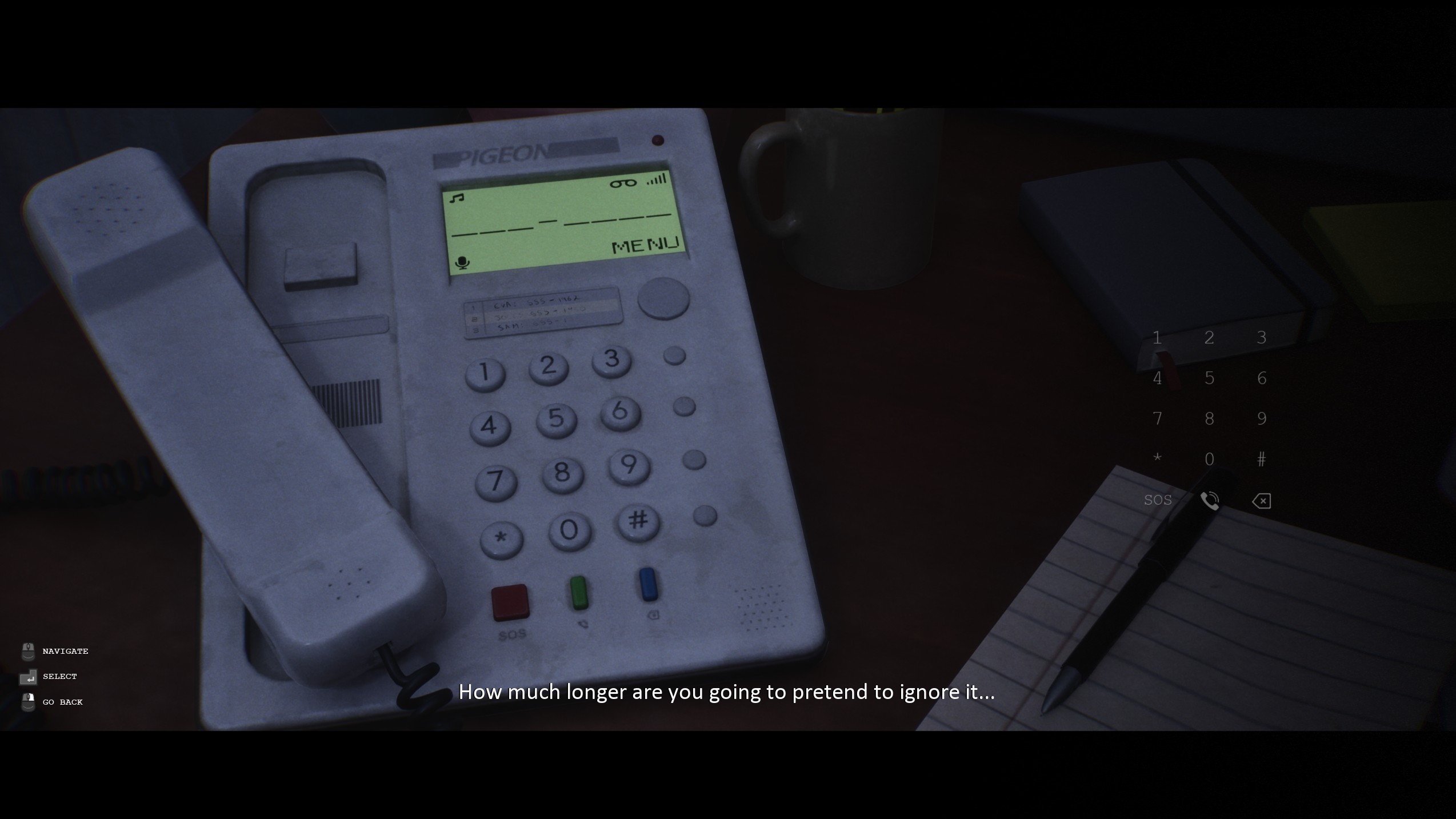
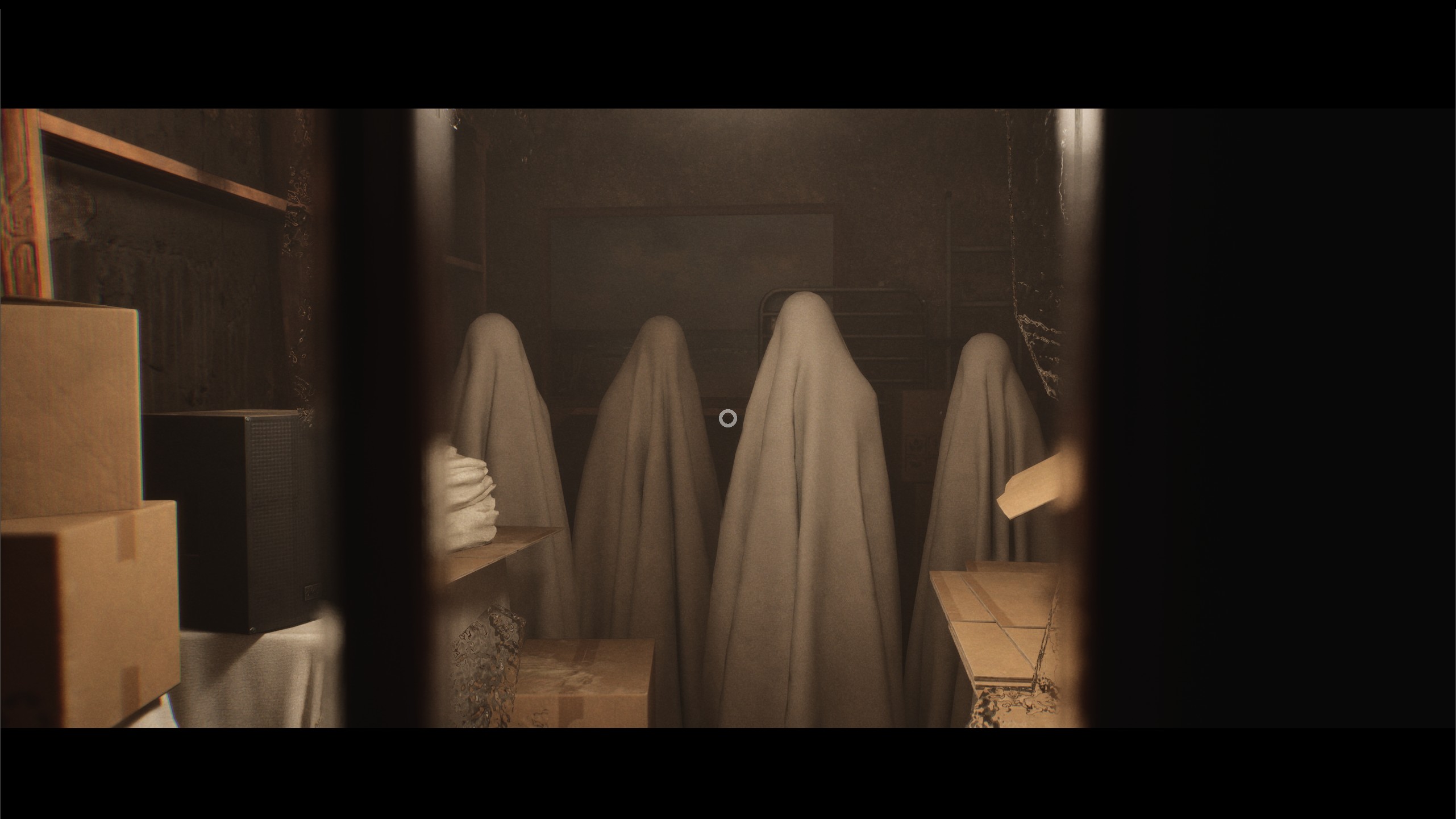
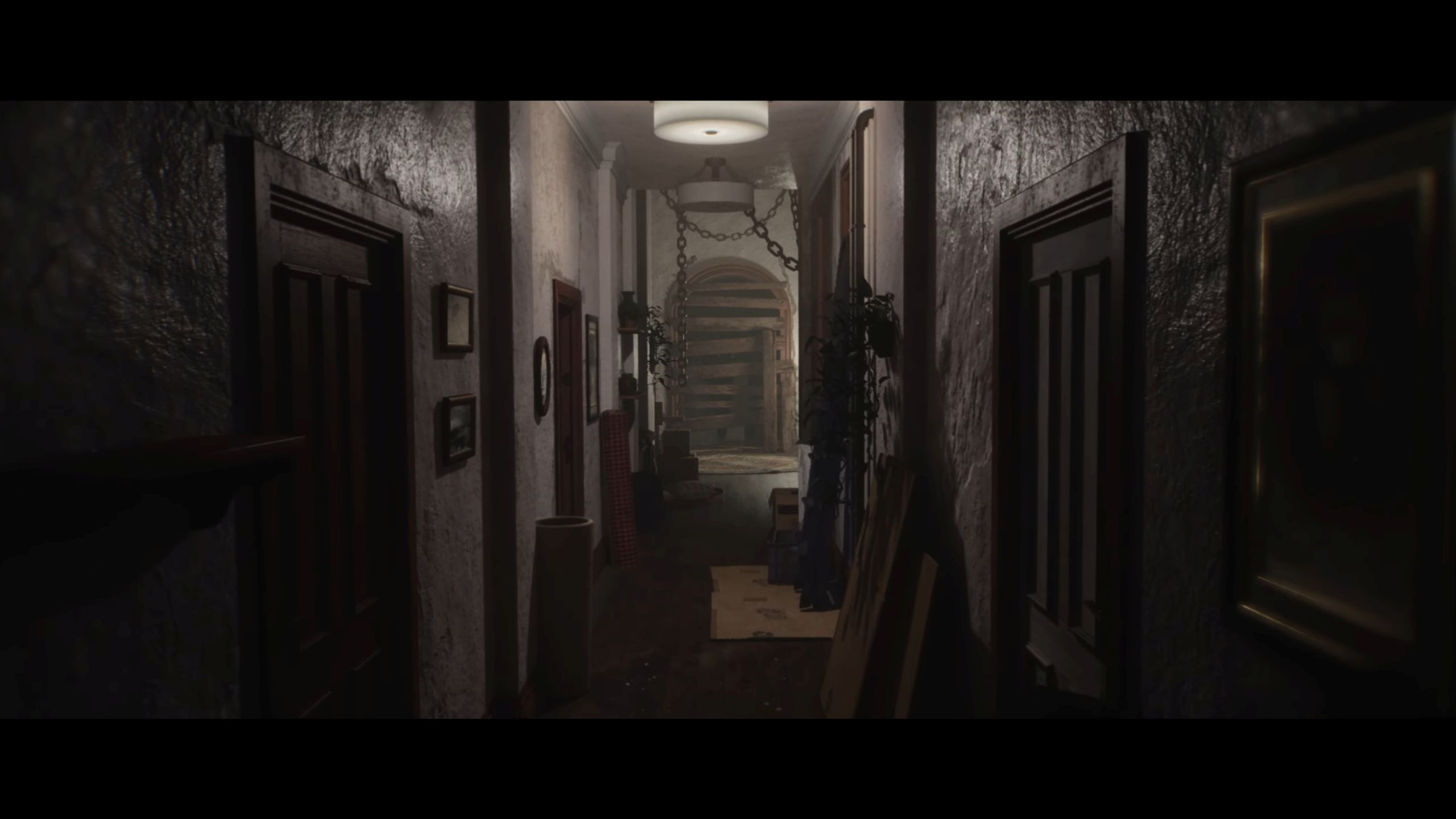
He is like a tormented model of Invoice Murray in Groundhog Day, however swap out all of the enjoyable romantic comedy bits with ghostly mannequins, darkish hallways, and unusual noises coming from the basement. Sam’s inexplicable, disorienting reset typically occurs with little or no warning, and that is what I like a lot about his inconceivable journey to go exterior. There’s an oppressive sense of one thing being very off from the start, prefer it’s clear somebody or one thing does not need you peeling again the layers. A obscure, threatening aura of do not open that door, you will not like what’s behind it.
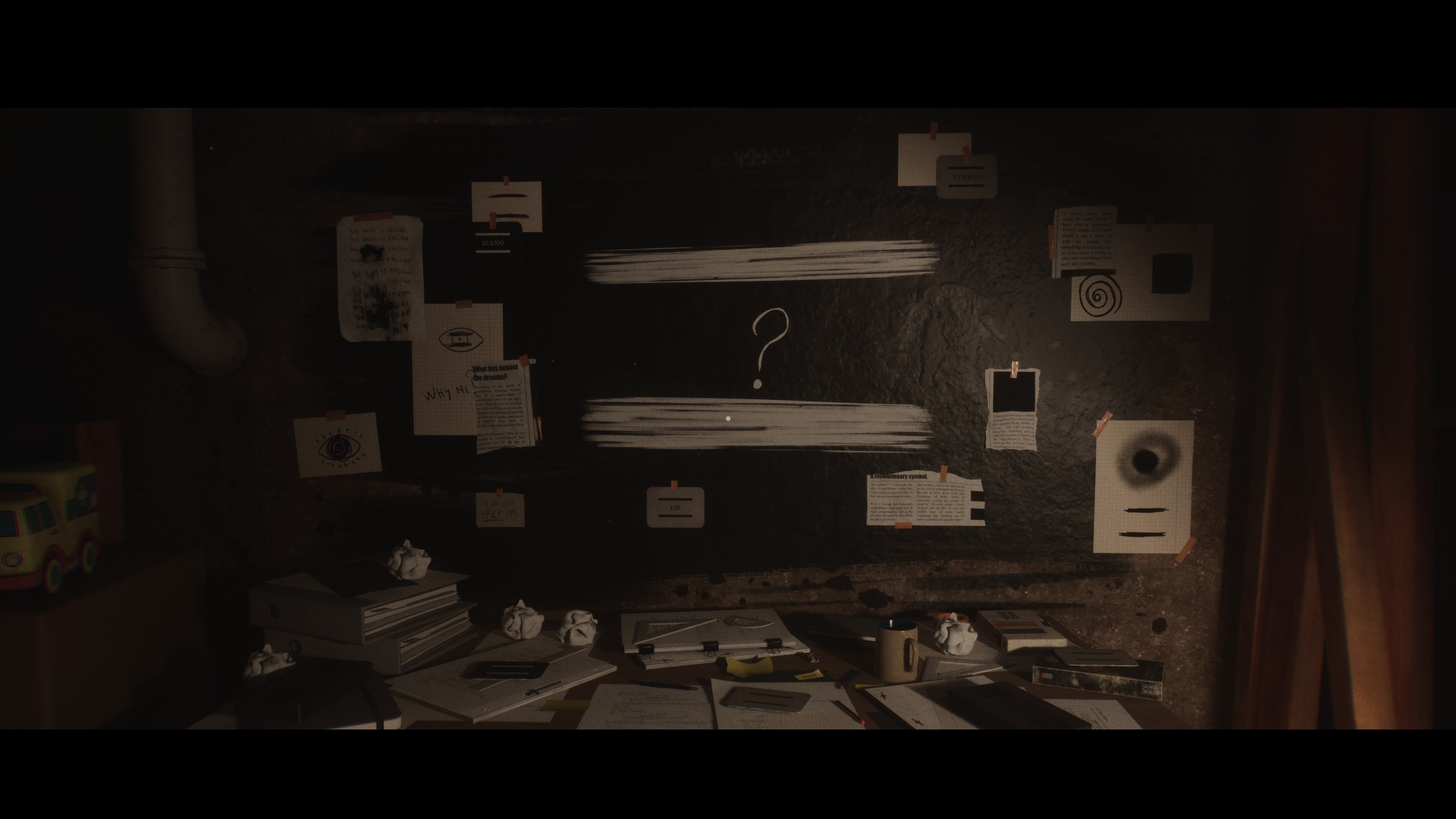
The photographs and mementos scattered about are all you’ll want to perceive Sam was going via one thing lengthy earlier than your home within the story, however the extreme languishing muddies the image the longer it goes on. Each time I believed I had a stable concept for what was preserving Sam a prisoner, Luto added one other puzzle or unnerving anomaly into the fold. Its mysteries aren’t cliche or easy sufficient to resolve that quick, and even while you make significant progress, the home and narrator will retaliate.
When Monday out of the blue turns into Wednesday, Luto’s disembodied voice carries on narrating the day like discovering secret rooms and partitions with graphic depictions of dying are regular components of Sam’s routine. As the times shift and add on extra puzzles, their options and clues start to overlap, and after some time, I can not keep in mind what the hell I am doing. It is an uncomfortable feeling Luto masterfully faucets into, recreating my very own occasional depressive meandering once I transfer from room to room and might’t keep in mind why I even entered within the first place.
Luto laid its haunted protagonist naked in an existential trial that left me questioning myself simply as a lot as I questioned Sam.
Sam tries to account for the entropy, however the pressure between him, the narrator, and my very own beliefs reached a degree the place I could not determine who was the least dependable unreliable narrator within the setup. Was it me, Sam, or the cheeky voice of god? I do not know, truthfully, however the psychological horror of all of it actually did its job. Most of my worry stemmed from the extreme hypervigilance Luto builds via doubt and an eerie sense of, ‘that is not how this room appeared earlier than.’ Leap scares be damned.
On the finish of all of it, once I was accomplished gathering clues from the previous and attempting to make sense of this impenetrable thoughts palace, Luto laid its haunted protagonist naked in an existential trial that left me questioning myself simply as a lot as I questioned Sam. Whereas I had my guesses, Luto’s disorienting maze is sweet at instilling uncertainty till its last moments, and even then, Sam’s home of grief stays uncomfortable and complex.
It is a discomfort I wholeheartedly welcome, and a door I am glad I opened.
If you wish to be part of me and ring within the new yr with a poignant, bite-sized horror journey you’ll be able to end in a session or two, then you’ll be able to try Luto now on Steam.


