
It is 1.55 pm, March 5, 2025. I am pacing the confines of the house workplace/picket shack on the backside of my backyard I have been inhabiting pretty solidly for the previous two months as I benchmark two entire new generations of GPUs from each Nvidia and AMD, and it is 5 minutes earlier than the evaluate embargo drops for AMD’s Radeon RX 9070 XT graphics card. I am on the cellphone with somebody I’ve identified at AMD for years. Once more. And no less than they’re apologising for the actual fact the corporate has been unable to present me any form of dependable pricing in regards to the totally different variations of its GPU I have been testing.
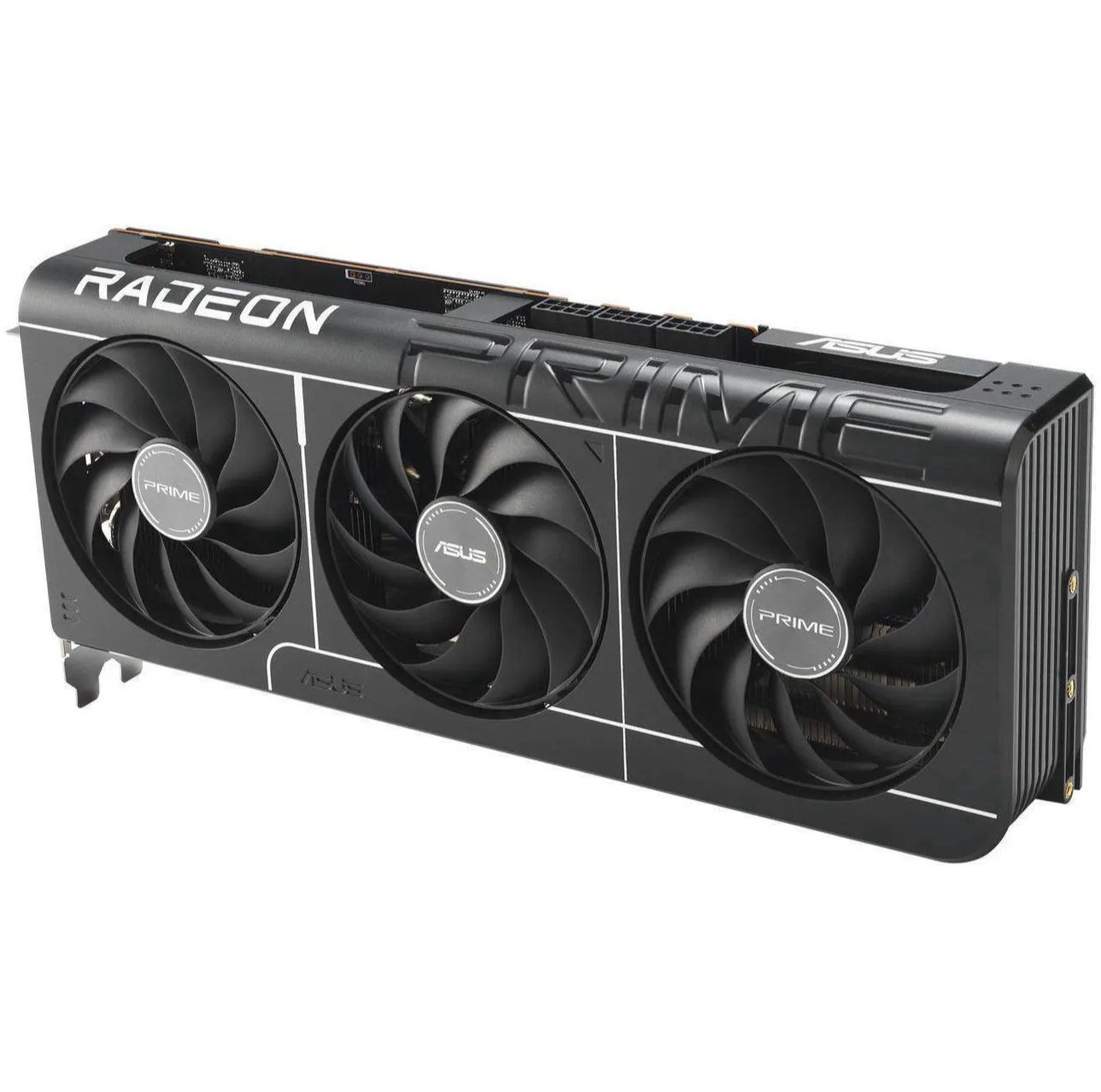
There have been no reference playing cards for AMD’s new RDNA 4 structure, and so I’ve obtained a choice of totally different choices—all with totally different value tags—in entrance of me to base my successfully definitive evaluate of what’s truly the perfect AMD GPU in lots of a protracted 12 months. And doubtlessly none of them are on the ultra-aggressive $599 value level that ought to make this spectacular card an outright winner.
Associated articles
After which eight minutes after the embargo lifts, XFX messages to say, “change of plan, sorry” and that now the premium XFX Mercury RX 9070 XT goes to be a reference-priced card on launch the next day. Although truly, that by no means involves go in any method that is seen on-line, and the cardboard truly finally ends up retailing for over $900 for the subsequent few months as a substitute of the $599 I am promised.
What a shit strategy to spend a birthday. A birthday the place I am not even technically working.
I am beginning with AMD right here solely as a result of the RX 9000-series launch was the end result of a irritating interval of late nights and lengthy days of graphics card benchmarking, however the early-year Nvidia launches of the RTX Blackwell technology have been no higher.
Positive, we had Founders Editions for many of them, giving Nvidia no less than the chance to pay slightly greater than lip service to its steered retail costs. However as reviewers, we nonetheless needed to wrestle with late and generally flaky drivers and ultra-short evaluate instances; then as shoppers, we needed to cope with black display points, fixed worries about that damned cable, low provide, and completely brutal value gouging from each producers and retailers mixed.
To not point out issues that a lot of the vaunted generation-on-generation efficiency will increase have been largely right down to the introduction of Multi-Body Technology (MFG) in a number of key video games and never widespread precise rendering efficiency will increase from the silicon itself.
Associated articles
The relative chip sizes obtained smaller, arguably much less complicated inside a GPU tier (RTX 5070 vs RTX 4070, I am taking a look at you) and meant you have been left with the sensation that Nvidia was huffing its personal excretions when it got here to the notion that graphics playing cards must be judged purely on efficiency over silicon.
AMD ought to have been capable of fully run rampant, what with its mixture of lower cost and virtually equal efficiency in contrast with the competing RTX 5070 Ti—itself arguably the perfect RTX 50-series GPU. However AMD had a bizarre begin to the 12 months, the place the RX 9070 XT and RX 9070 playing cards have been introduced to the press previous to the brand new 12 months however have been notably absent from its huge CES press convention.
Picture 1 of three


I used to be rapidly ushered behind the scenes out in Vegas after the press convention, the place the notably downbeat David McAfee and Frank Azor tried to speak up the RDNA 4 structure regardless of the purple group presumably having been spooked by Nvidia’s asserting its RTX Blackwell playing cards later that day. And, should you remembner, that was an announcement that introduced the $549 RTX 5070 as set to ship RTX 4090 gaming efficiency.
As the mandatory inclusion of MFG in these efficiency calculations grew to become clear, nevertheless, AMD solidified its place. Although the demand and lack of provide inevitably made the RX 9000-series launch a blood tub. With no method for AMD, and to a barely lesser extent Nvidia to regulate costs, and the data that voracious GPU patrons would pay by the nostril for playing cards—as they did through the pandemic years—producers and retailers each sniffed a possibility to gouge players on pricing, and so the bloodletting started.

It was frankly offensive the way in which that every was decided to extract their very own pound of flesh from the provision/demand iniquity. Although it was clearly comprehensible, as each had watched scalpers make financial institution through the earlier COVID and mining-related GPU provide crises, and now wished to ensure they may fill their respective coffers from players’ need for brand spanking new silicon.
We are able to discuss dodgy drivers, deceptive efficiency guarantees, and GPU tiering we do not agree with, however the pricing aspect was arguably the largest concern round this calamitous technology of graphics playing cards, and that, no less than, wasn’t both AMD or Nvidia’s fault. Simply blame capitalism, I assume.
The RX 9070 XT and the RTX 5070 Ti, nominally $599 and $749 playing cards respectively, each ended up being priced at $900+ for no less than the primary few months of their lives, and solely in direction of the tip of the 12 months have costs and inventory begun to stabilise and settle right down to across the unique launch costs of the playing cards.
Picture 1 of two


It was the worst collective generational GPU launch I can bear in mind in my 20 years as a PC gaming tech journalist, and I used to be there for the nightmarish AMD R600 launch and carried a super-heated GTX 480 all the way in which again from Paris. I, for one, am very glad it is handed. A minimum of as 2025 fades into reminiscence, we are able to sleep protected within the data that GPU costs have come down. Nonetheless quickly.
Welcome to a different pricing disaster because the RAMpocalypse surges and suggests GDDR pricing for graphics playing cards is ready to rise alongside rumours that Nvidia has stopped bundling VRAM with its chips to card producers. In any case, something with reminiscence goes to be getting ever extra expensive for the foreseeable future, due to damned ‘AI’ demand.
So yeah, sleep protected, and haven’t got nightmares.
Greatest graphics card 2025
All our present suggestions


![[REQUEST]Searching for recreation suggestions for my y700 gen 4, I like rogue lites, dungeon crawlers or rpg’s](https://i3.wp.com/preview.redd.it/eoe562bp6org1.jpg?width=140&height=105&auto=webp&s=045d2a9a494004eda155ed4e07b2b857d253ea43&w=120&resize=120,86&ssl=1)


