
If you have not but, observe us on X (Twitter), Mastodon, or Bluesky to know once we submit new articles, and be a part of our Reddit or Subscribe to us on YouTube to take a look at our content material and work together with our superior group. Thanks for supporting us!
I’ve been having a good time taking part in via DragonSword: Awakening, and in case you’re a fan of gacha video games, you’re going to like this one. Think about if Genshin Influence was stripped of all of its predatory microtransactions, and all you have been left was the large RPG. That’s DragonSword.
Since I acquired my assessment key late from developer Hound13, I nonetheless want just a little bit extra time to complete off my assessment. Nonetheless, I’ve accomplished my testing, performed greater than sufficient to present an evaluation on how the sport is operating on the Steam Deck. I prioritized testing the most important areas, the most important battles, and going via the map as shortly as I may, and I found some attention-grabbing points. Nonetheless, ultimately, I might think about it very playable.
DragonSword defaults to medium (Regular) settings with FSR upscaling on Balanced. With these settings, it will probably hit between 30 and 40 FPS, and it appears to be like fairly good for essentially the most half. It was really a bit stunning, because the recreation is constructed on Unreal Engine 5, which usually has unoptimized video games for the Deck. DragonSword: Awakening is not considered one of them. Nonetheless, the pixelation from upscaling on Balanced is fairly apparent and jarring at occasions, particularly when strolling into among the buildings in sure lighting or touring all over the world throughout daytime.
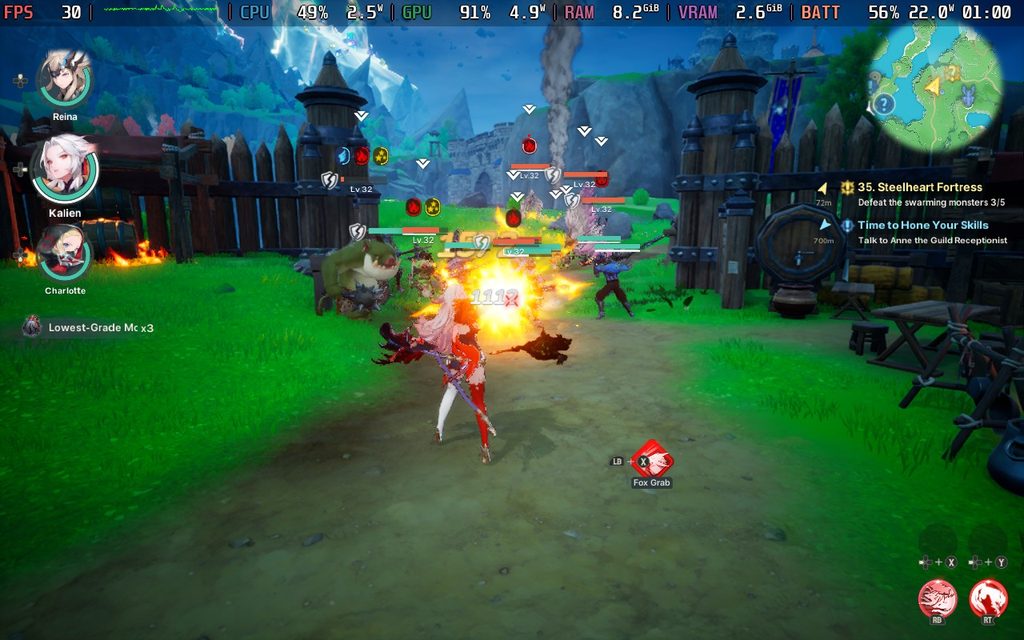
After some testing, I did discover a group of settings that I most popular over every part else. We will really flip upscaling all the way in which up with TSR or FSR at Excessive High quality (each usually look the identical) and hold it at a strong 30 FPS by turning the Results to Low. We will hold every part else at Regular, and with the discount of results, we get a a lot sharper-looking recreation that also sticks to 30 FPS.
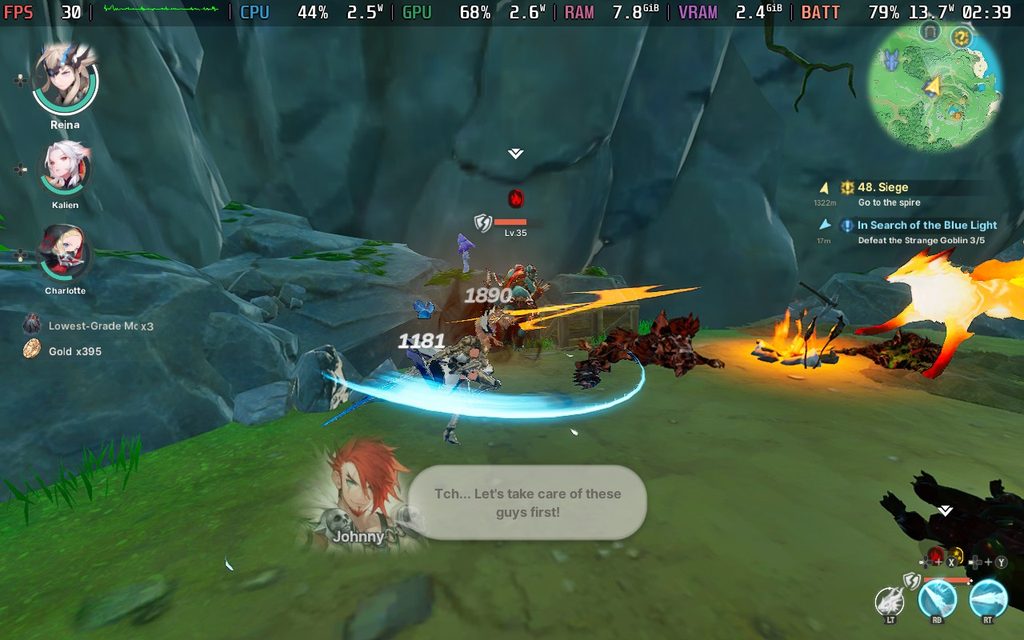
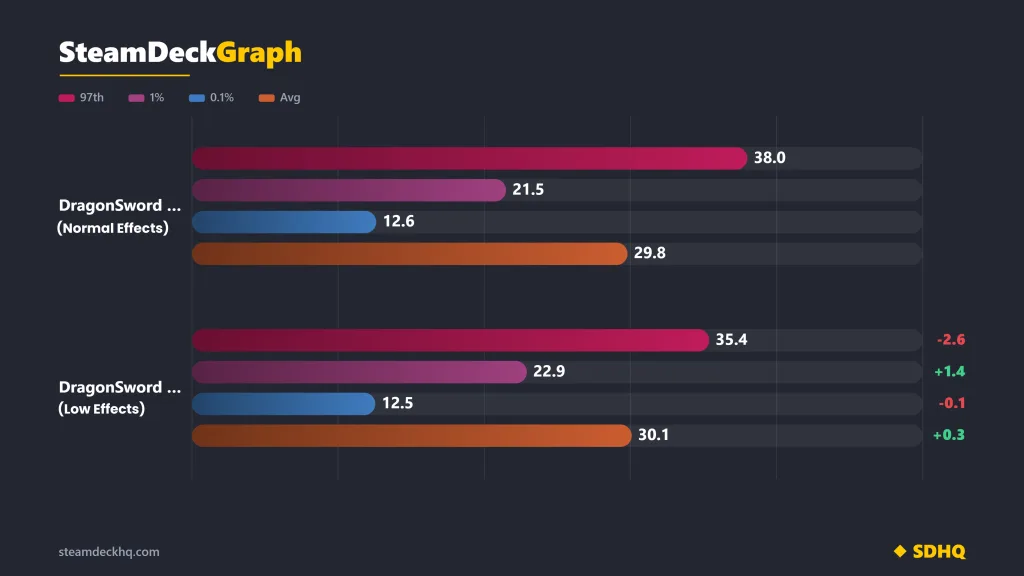
I examined this in one of many bigger fights of the sport with over 20 enemies and over 10 allies on the display, and there was a really clear distinction. I went via your entire combat with Regular settings and TSR at Excessive High quality vs Results on Low and every part else on Regular with TSR at Excessive High quality, all with a 30 FPS lock. Trying on the numbers, it’s clear that Results Low has a greater 1% and common, however the 97th percentile is increased on the graph the place every part is about to Regular.
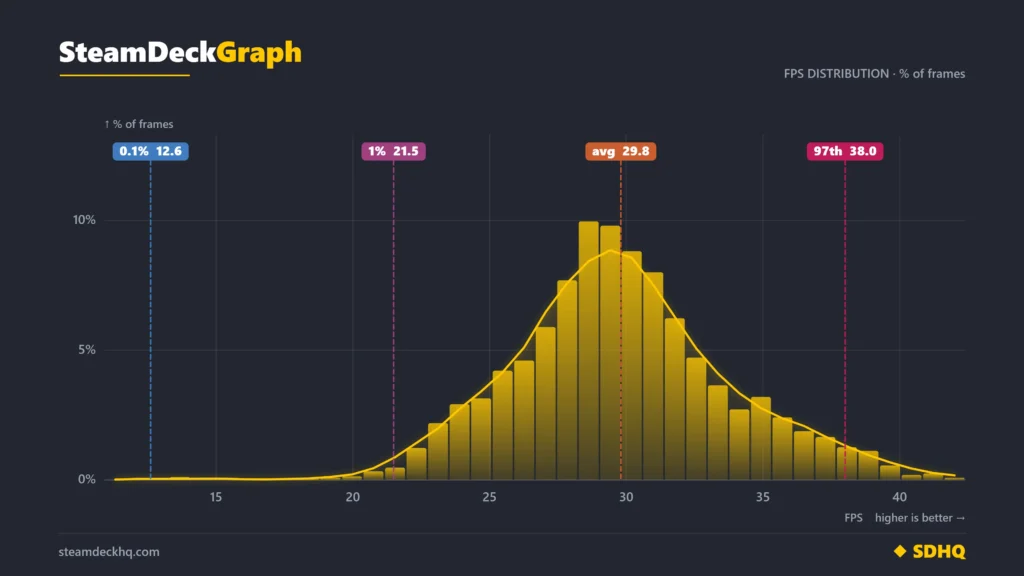
This may be defined by wanting on the distribution charts. Within the Results Low chart, we see {that a} majority of framerates are sticking at and round 30 FPS extra typically. Nonetheless, within the Regular chart, there are extra framerates under 30, sticking to round 24-29, and extra above 30. That is as a result of recreation attempting to catch up after the framerate drops, which ends up in extra stuttering. It’s higher to have extra steady framerates, sticking to 30 versus some above and a few under. With this logic, we are able to see that turning the Results to Low makes the sport considerably extra steady and pleasant.
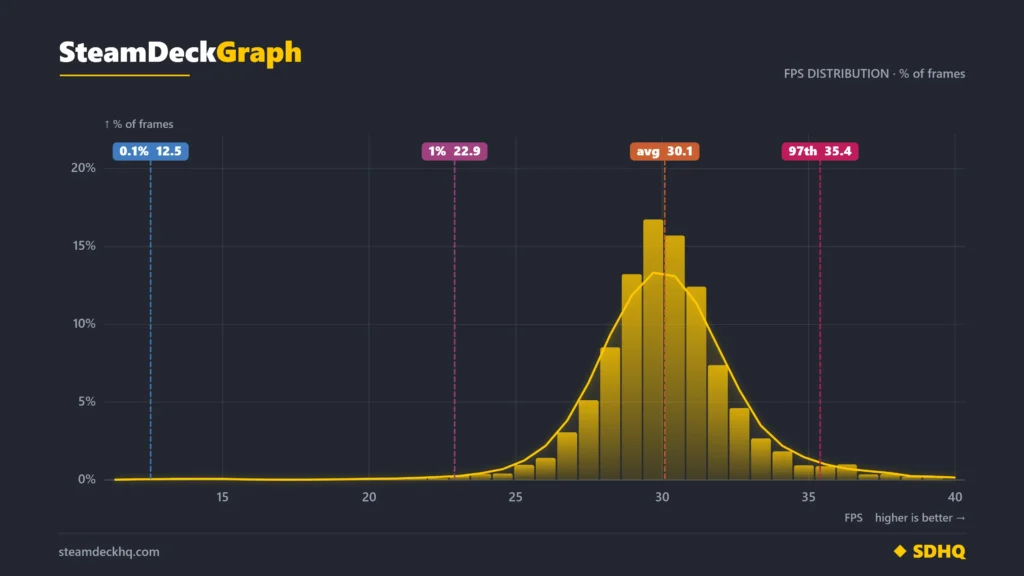
The sport can deal with 40 FPS and above in most areas, however within the bigger fights and a few boss fights, there can be too many enemies or a lot happening that the framerate will dip. I discovered it way more pleasant to maintain the sport at 30 FPS and steady versus 30-40 fluctuations. There are even some fights that drop under 30 FPS, although this wasn’t tremendous widespread. So, preserving it at 30 FPS not solely retains the sport as steady as attainable, however will even hold battery drain down to permit longer play periods (that are very useful right here).
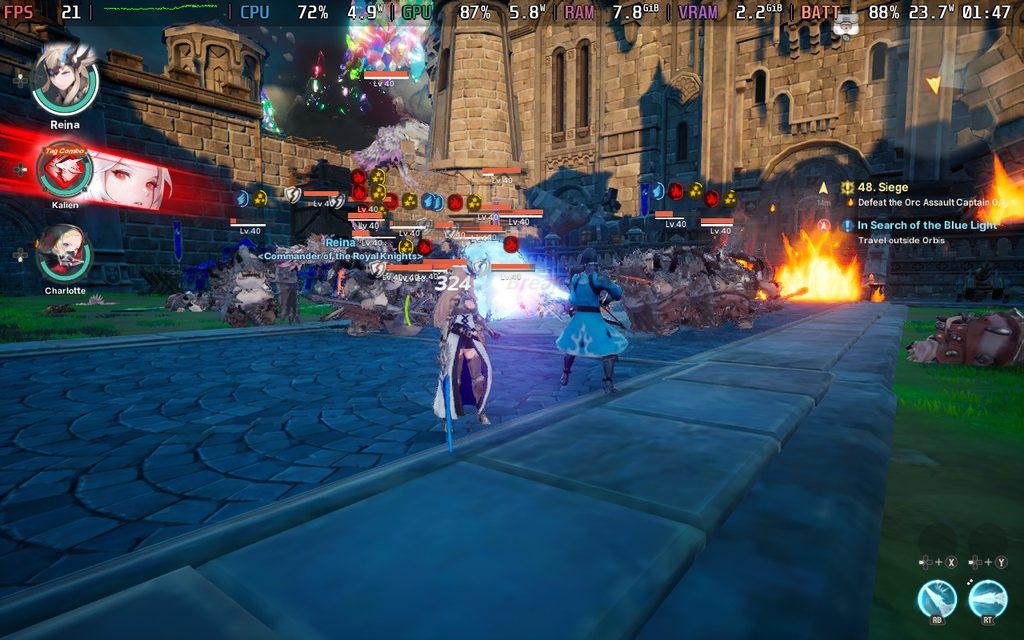
In the end, we’ll want some compromises, however by turning Results all the way down to Low and capping the framerate at 30 FPS, DragonSword: Awakening turns into splendidly playable on the Steam Deck. For an open-world RPG constructed on Unreal Engine 5, I used to be impressed with how nicely it was performing and the way proper at house it feels on the Deck. It is a fantastic expertise to tackle the go, and hats off to Hound13 for optimizing it in addition to they did.
When you loved this text, take a look at the remainder of the content material on SteamDeckHQ! We’ve got all kinds of recreation evaluations and information that can assist your gaming expertise. Whether or not you are on the lookout for information, suggestions and tutorials, recreation settings and evaluations, or simply need to keep up-to-date on the newest traits, we have got you lined!


