
MARVEL Tōkon: Combating Souls was supplied by PlayStation for evaluate. Thanks!
Relating to 2D anime fighters, few names carry as a lot weight as Arc System Works (ArcSys). Over the a long time, the Japanese studio has established itself as one of many trade’s giants, delivering among the style’s most recognizable and mechanically wealthy combating video games by means of franchises like Responsible Gear and BlazBlue, whereas additionally bringing its signature model to huge licensed properties with video games like Dragon Ball FighterZ.
However MARVEL Tōkon: Combating Souls represents one thing a lot greater. Teaming up with Sony Interactive Leisure and Marvel Video games, Arc System Works has rolled up its sleeves for what is well some of the formidable tasks within the studio’s historical past: a full-scale AAA Marvel combating recreation. With an unlimited license behind it, Sony’s backing, and a developer that has spent a long time mastering the style, expectations had been understandably sky-high.
And after spending a substantial period of time throwing arms with Marvel’s best, there’s one large query left to reply: does MARVEL Tōkon: Combating Souls dwell as much as these expectations? In some methods, sure, however in others, it falters.
At its core, MARVEL Tōkon: Combating Souls seems like a contemporary religious successor to the legendary Marvel vs. Capcom collection, taking the chaotic team-based components that outlined these video games and reimagining it by means of Arc System Works’ personal design philosophy. It is a fast-paced 4v4 tag fighter that places a heavy emphasis on workforce synergy, assists, and explosive offensive strain.
That Marvel vs. Capcom DNA is instantly obvious, however Tōkon is not merely making an attempt to recreate it. Assists will be essential to your offense to increase combos, preserve strain, or cowl an unsafe method, whereas tagging between fighters permits your total workforce to turn out to be a part of a single offensive sequence. There’s additionally loads of Dragon Ball FighterZ in its blood, notably in how Arc System Works encourages aggressive motion, lengthy combo conversions, and assists that may flip small openings into prolonged sequences involving a number of characters.
Tōkon begins to carve out an identification of its personal by means of its uncommon method to the standard tag components. 4 fighters could seem on every workforce, however they are not merely 4 separate well being bars ready to be cycled by means of. Your squad shares a single well being pool, and entry to your teammates evolves all through the match by means of the Meeting system. As extra of your workforce enters the combat, your offensive potentialities increase with them, steadily turning what begins as a comparatively targeted confrontation into the sort of splendidly chaotic Marvel spectacle you’d anticipate from having eight superheroes throwing arms on the identical stage.
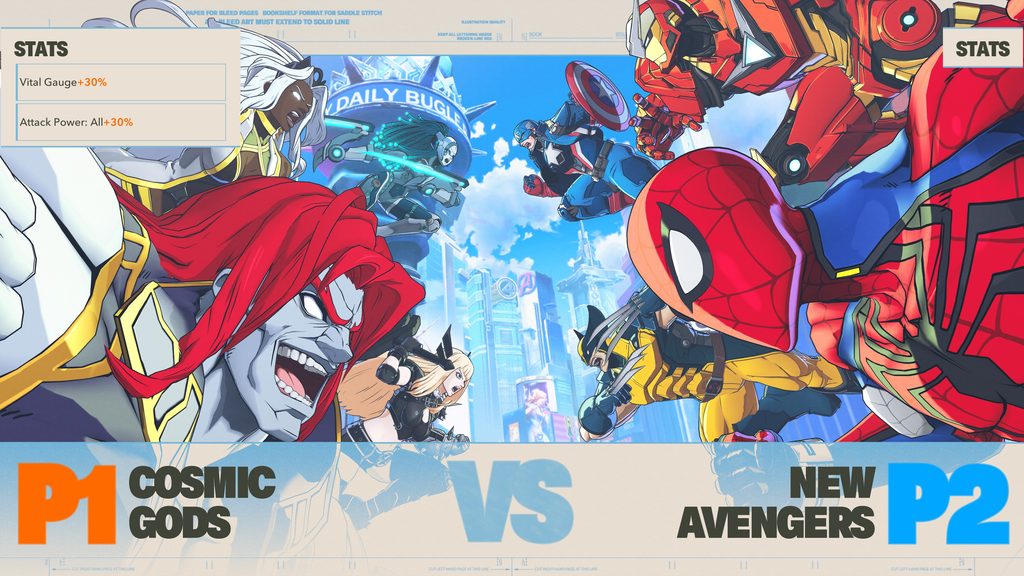
The shared well being pool was really one of many mechanics that originally excited me essentially the most. On paper, it gave the impression of a genuinely completely different method to the standard tag fighter components, and I used to be curious to see how Arc System Works would construct a complete 4v4 system round it. Sadly, after spending extra time with the sport, it grew to become considered one of my greatest points with Tōkon.
In conventional tag fighters, swapping characters is not nearly bringing one other moveset onto the display. Managing recoverable well being, pulling an injured fighter out of hazard, and deciding when to sacrifice strain to allow them to get better create a complete strategic layer round tagging. Tōkon’s shared well being pool successfully removes that decision-making altogether. There isn’t any wounded teammate to guard or recovering character you are desperately making an attempt to maintain on the bench, as a result of each hit finally comes out of the identical useful resource.
In consequence, I not often felt inspired to consider my workforce as 4 particular person fighters that I wanted to fastidiously rotate all through a match. As a substitute, teammates typically felt extra like further offensive assets to name upon, shifting the main target closely towards spamming assists relatively than significant character administration. For me, that strips away a lot of the creativity, pressure, and tactical decision-making that make tag fighters so satisfying within the first place. It is definitely completely different, however sadly, not in a means I loved.
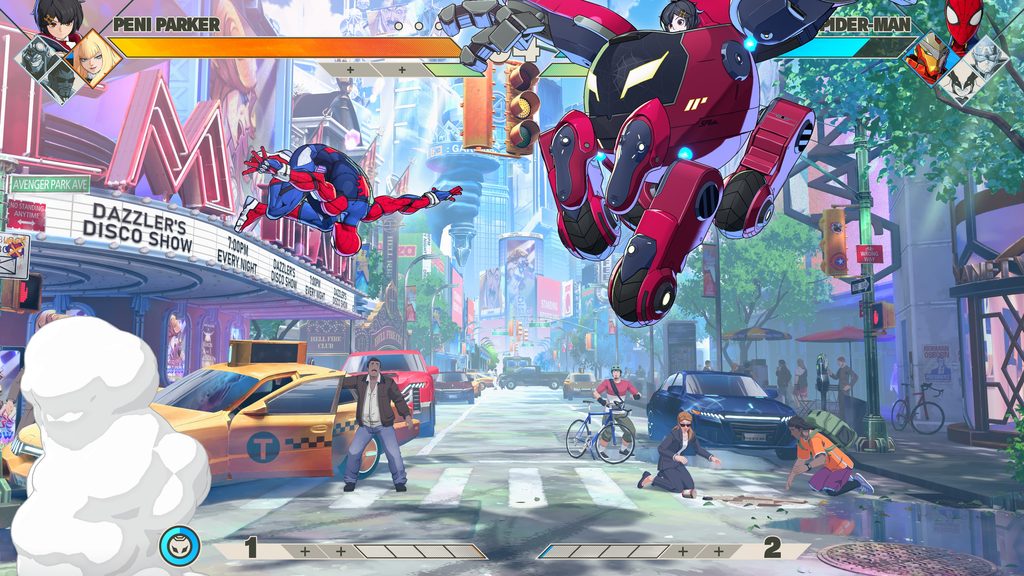
Motion was one other main problem for me. After taking part in Arc System Works fighters like BlazBlue and Responsible Gear, the place motion is quick, clean, and the most effective components of the fight, Tōkon merely did not really feel like an ArcSys recreation to me.
Dashing into assaults feels awkward, aerial approaches do not circulation in addition to I anticipated, and characters can really feel surprisingly clunky each within the air and on the bottom. I typically knew precisely what I wished to do, however executing it by no means felt as clean or pure as I wished it to.
This grew to become much more noticeable as a result of Tōkon is such an aggressive recreation. You are continually transferring in, calling assists, and on the lookout for a gap, so having motion that feels this stiff hurts the general circulation of fight fairly a bit. It isn’t at a degree that fully ruins the combating for me, nevertheless it constantly makes it much less satisfying than I anticipated.
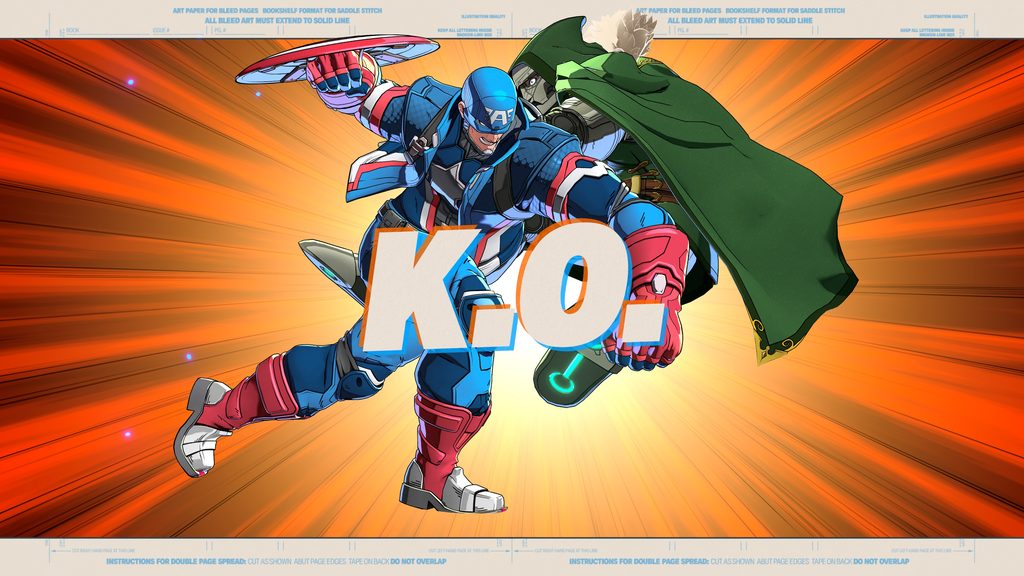
Whereas I had my points with motion and the best way Tōkon handles tagging, the combo system itself is well my favourite a part of the gameplay. Combos are extremely flashy and satisfying to drag off, however extra importantly, there’s loads of room to get artistic with them.
The fundamental combo system is straightforward to grasp, however when you begin mixing in Abilities, assists, launches, wall interactions, and character switches, you possibly can take a combo in a ridiculous variety of instructions. Completely different assists can fully change the way you prolong a combo, and switching characters halfway by means of one opens up much more routes relying in your workforce composition.
It creates a very nice stability the place placing collectively one thing cool does not require you to spend hours in coaching mode, however gamers who do need to lab nonetheless have a lot to experiment with. I continually discovered myself making an attempt completely different assists or barely altering a route simply to see how a lot additional I might push it, and watching 4 Marvel characters soar out and in of an enormous combo by no means actually stopped trying superior.
For all my complaints about Tōkon’s tag system, that is the one event the place having 4 characters on a workforce shines.
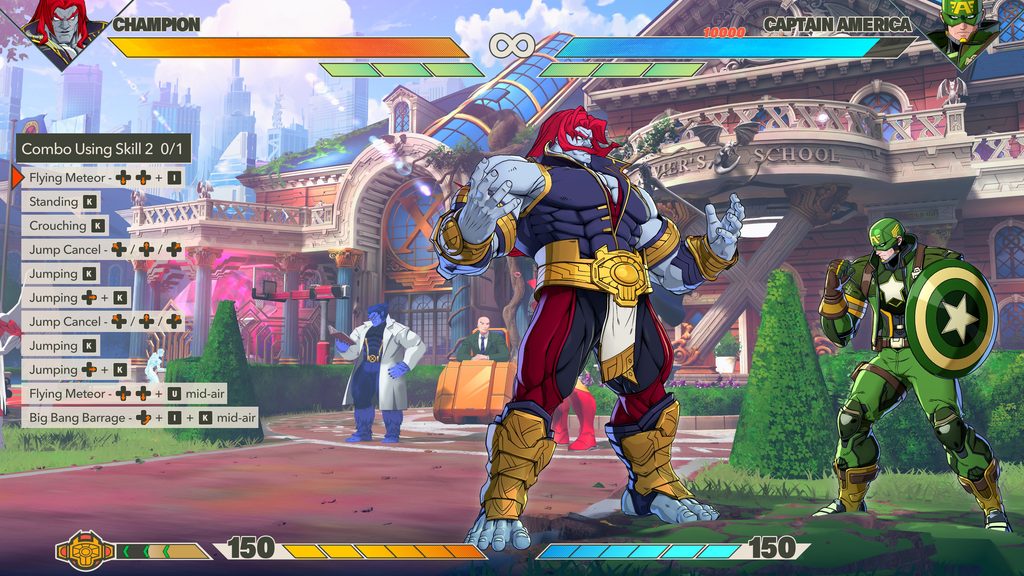
Sadly, this expertise is held again by Tōkon’s management scheme. Particular strikes will be carried out in two methods: both by means of conventional movement inputs or through a easy shortcut. Utilizing the shortcut barely reduces the injury of the transfer, which appears like a good trade-off, and through combos, I not often discovered it to be a significant downside.
Neutrals are a distinct story. Gaining access to one-button anti-airs and response punishes makes conditions that may usually require execution a lot simpler to deal with, and the injury penalty does not actually resolve that downside both. If I must react to a jump-in, having the ability to immediately throw out an anti-air particular with a single button remains to be an enormous benefit no matter whether or not the transfer offers barely much less injury.
Tōkon additionally goes a lot additional with auto combos than I might have preferred. Making combating video games simpler to choose up is an effective factor for newcomers, however there are such a lot of computerized routes right here, and a few of them are efficient sufficient that I began questioning how a lot the sport really rewards studying tougher choices. When the better route will get you too near what an skilled participant can obtain manually, the hole between studying the sport and mastering it begins to really feel smaller.
Accessibility should not come at the price of giving gamers causes to enhance. Studying execution, spending time in coaching mode, and finally having the ability to do one thing that you simply could not do whenever you first began are among the most rewarding components of combating video games. Tōkon nonetheless has loads of depth beneath its accessible controls, however I feel it goes slightly too far in eradicating the barrier to execution.
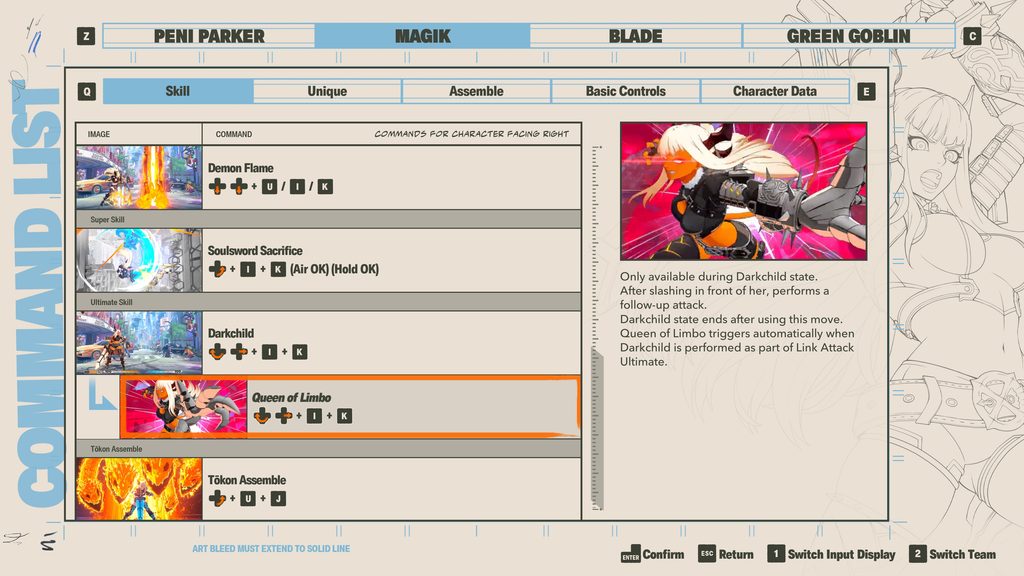
The irritating half is that the choice is not notably nicely designed both. I favor having conventional movement inputs in combating video games, however a few of Tōkon’s enter decisions really feel unnecessarily awkward. Command grabs being tied to a DP-style Shoryuken movement already seems like a wierd selection, however my greatest problem is how regularly the sport makes use of down-down inputs for assaults and particular strikes.
Double-tapping down would possibly sound easy on paper, however doing it constantly in the midst of a quick match feels extremely clunky on an analog stick or combat stick. Nearly each character has some variation of a down-down assault or enter, and utilizing them shortly could be a nightmare on these controllers. At a time when Hitbox and keyboard have already got such a transparent aggressive benefit on the subject of sure inputs, as a fightstick participant, I actually query the choice to make use of down-down inputs this regularly.
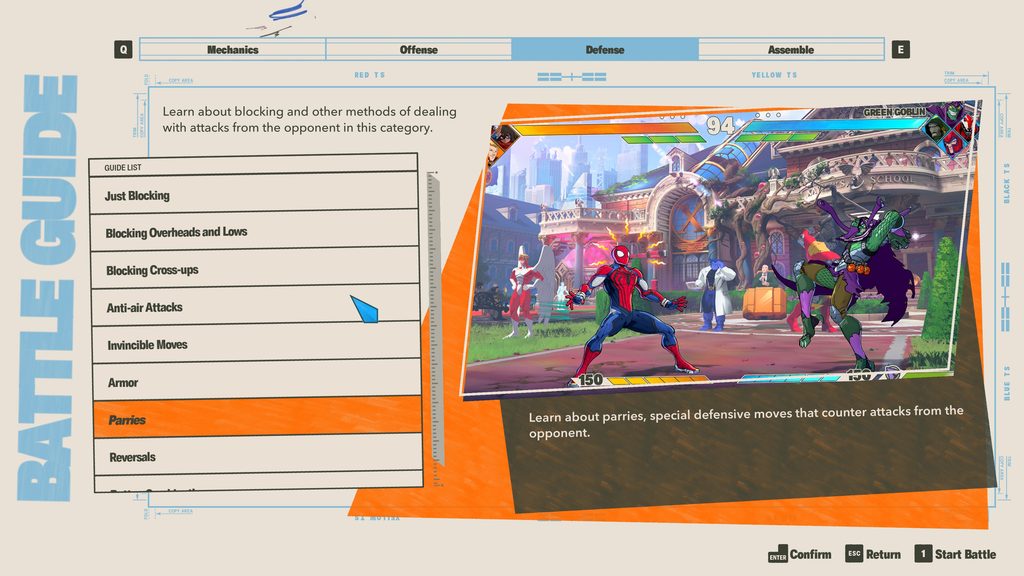
Fortunately, I’ve nearly nothing unfavorable to say about Tōkon’s defensive mechanics. In actual fact, I feel this is likely to be the very best defensive system I’ve ever seen in a tag fighter.
There are such a lot of methods to take care of strain with out making protection really feel straightforward. Simply Protection rewards you for timing your blocks correctly, whereas Assemble Counter offers you a defensive backstep that routinely counters the opponent in the event that they assault into it. It is extremely helpful towards aggressive gamers, nevertheless it’s additionally very punishable in case your opponent reads it, so you possibly can’t simply throw it out everytime you’re underneath strain.
Then there’s Crossover, which is likely to be my favourite addition. Whereas blocking, you possibly can name considered one of your teammates to interrupt the opponent’s onslaught and provides your self an opportunity to combat again. In a 4v4 recreation the place assists can maintain you blocking for what seems like an eternity, having your personal workforce turn out to be a part of your protection seems like the right reply.
What I really like most is that none of those mechanics change regular blocking. They provide you completely different solutions relying on what your opponent is doing, and figuring out when to maintain blocking, try a Simply Protection, danger an Assemble Counter, or spend your workforce assets on a Crossover turns into its personal little thoughts recreation.
That is masterful work from Arc System Works. Tag fighters are often recognized for ridiculous offense, assists, and endless strain, however Tōkon offers the defending participant simply as many fascinating selections to make. I had issues with a number of components of the fight, however the defensive facet is well one of many recreation’s greatest strengths and, for me, the very best one I’ve performed in a tag fighter.
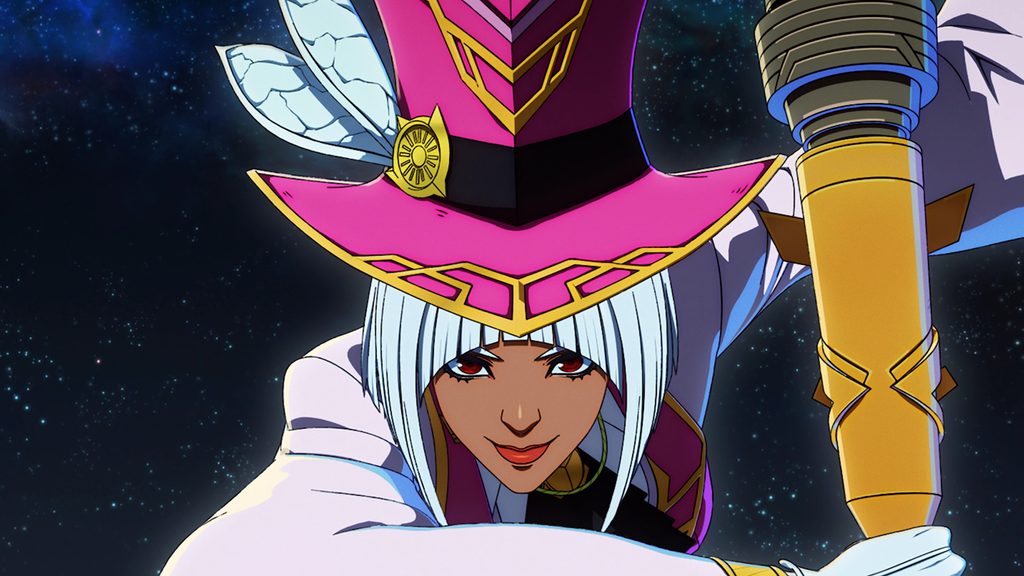
Transferring on to the sport modes, the very first thing that stands out is Episode Mode, Tōkon’s fundamental story mode. And I genuinely suppose this is likely to be one of many worst story modes I’ve ever performed in a combating recreation.
Marvel has over 80 years of lore. Hundreds of characters, iconic villains, legendary storylines, alternate universes, huge crossover occasions, and a long time’ price of fabric that writers might solely dream of accessing. And in some way, with all of that sitting proper in entrance of them, the very best thought they might provide you with was… a match. It is principally the identical drained setup we have seen numerous instances in video games like Lifeless or Alive or Tekken. Discover an excuse to throw the complete solid collectively, make everybody combat one another, introduce some fully uninteresting made-up characters, and name it a narrative. Besides these video games do not have the complete Marvel universe sitting of their arms.
That is what makes Episode Mode so irritating. It isn’t simply dangerous; it is an unbelievable waste of potential. Each cinematic jogged my memory of what they might have executed as an alternative. Each boring dialog, each compelled motive for an additional combat, and each time considered one of these characters appeared simply made me surprise how this was the story they settled on.
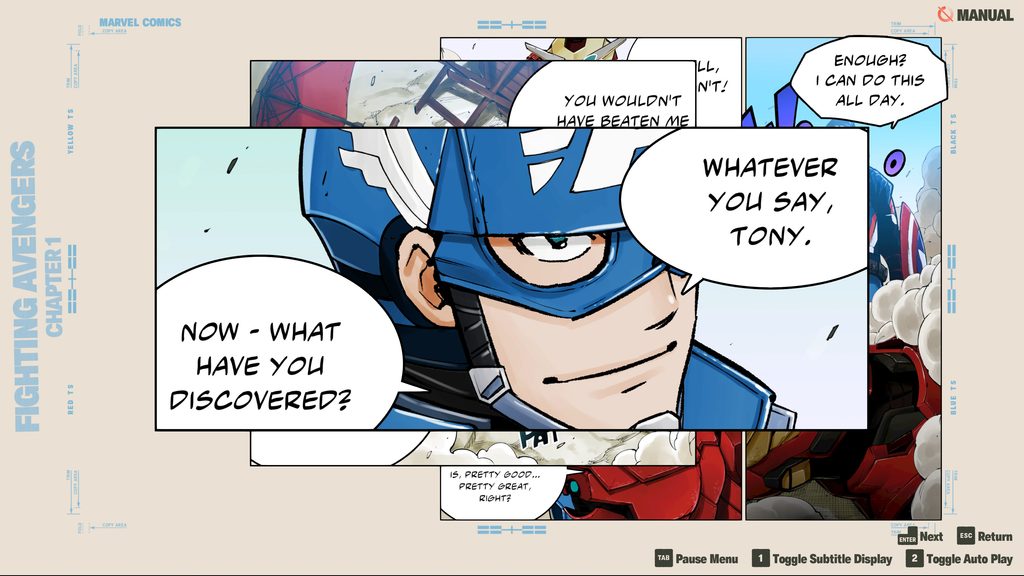
As if the story itself wasn’t dangerous sufficient, the presentation in some way manages to be even worse. Round 30% of Episode Mode is informed by means of fantastically animated cinematics that look precisely nearly as good as you’d anticipate from Arc System Works. The remaining is introduced in generic, poorly drawn, comic-book-style chapters, and the distinction between the 2 is truthfully jarring.
The cinematics will typically simply randomly finish and throw you into a kind of ugly comedian ebook sections, nearly as in the event that they ran out of funds midway by means of the scene and could not afford to animate the remainder of it. Going from beautiful ArcSys animation to watching cheap-looking static panels fully killed the presentation for me. Mixed with the cliché writing, it will definitely reached a degree the place I did one thing I severely do not bear in mind ever doing whereas reviewing a recreation: I began desirous to skip story sections.
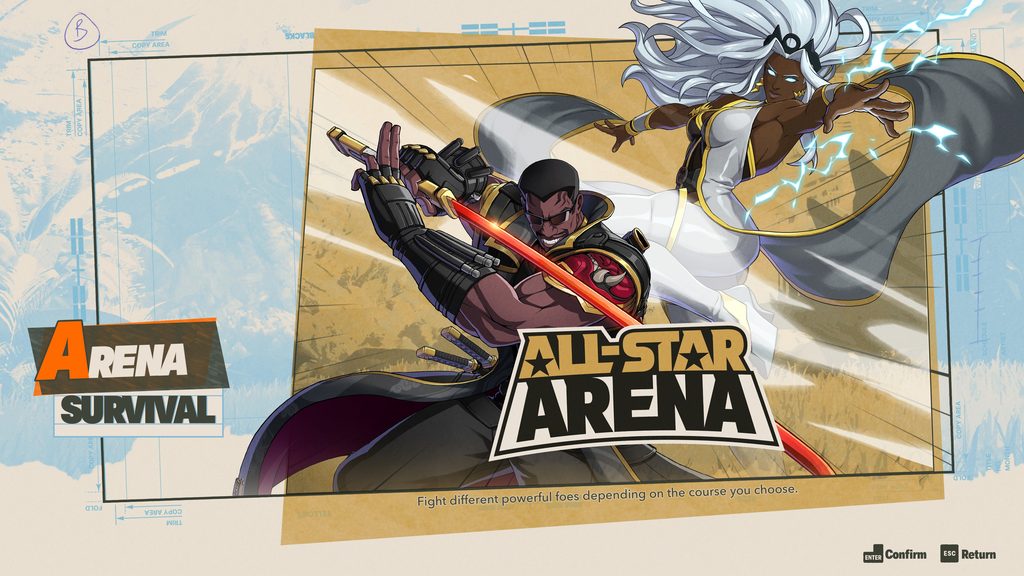
Outdoors of the story, Tōkon has two extra items of content material underneath what it calls “Arcade,” though calling a few of this an Arcade Mode feels fairly beneficiant.
The primary is All-Star Area, which is break up into Area and Survival. Survival is strictly what you’d anticipate from old-school combating video games: you combat by means of a collection of opponents whereas making an attempt to outlive for so long as potential. Nothing particular, nevertheless it does what it must do.
Area, however, appears to be Tōkon’s alternative for a conventional Arcade Mode, and it is disappointing. You merely combat your means by means of a collection of matches till you attain the top. That is it. There are not any intro cinematics, no distinctive character interactions, and nothing that makes choosing a distinct fighter really feel such as you’re seeing their very own little story. It seems like they wished to examine “Arcade Mode” off the checklist with out really placing any of the character into it that makes these modes price taking part in.
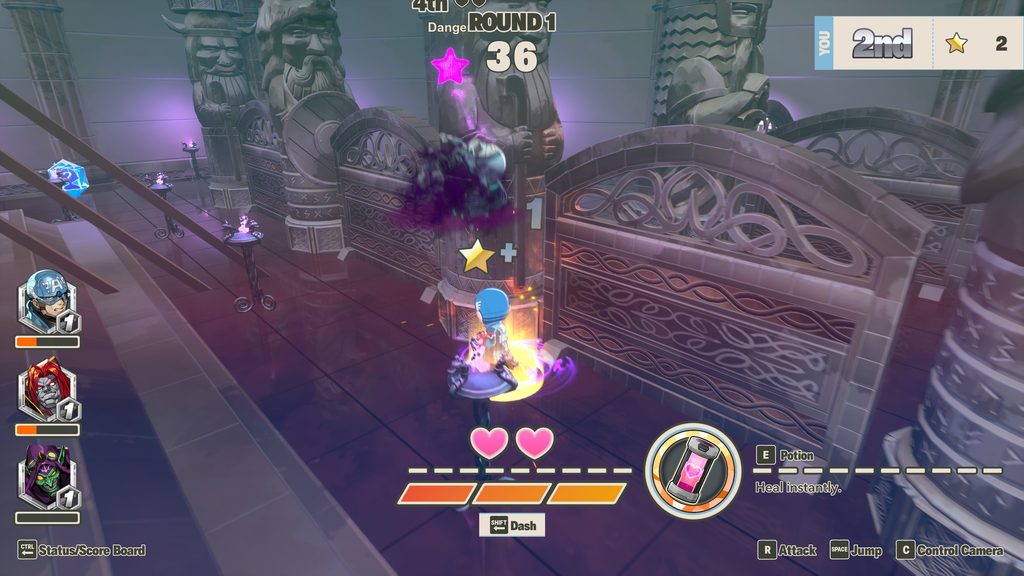
After which there’s Arcadia Rumble, a third-person, Smash Bros.-style mode that feels fully misplaced. You run round as chibi variations of the characters, accumulating orbs, leaping round, attacking different gamers, and making an attempt to deplete their hearts to complete in first place. There are some roguelite parts thrown in, and you may play both on-line or single-player.
I discovered the entire thing infantile, foolish, and disconnected from the explanation I am taking part in a combating recreation within the first place. It seems like a random occasion recreation that in some way ended up inside Tōkon relatively than a mode designed round what the sport really does nicely. Contemplating how bare-bones Area and Episodes already really feel, seeing growth time go into Arcadia Rumble as an alternative solely made its inclusion much more irritating.
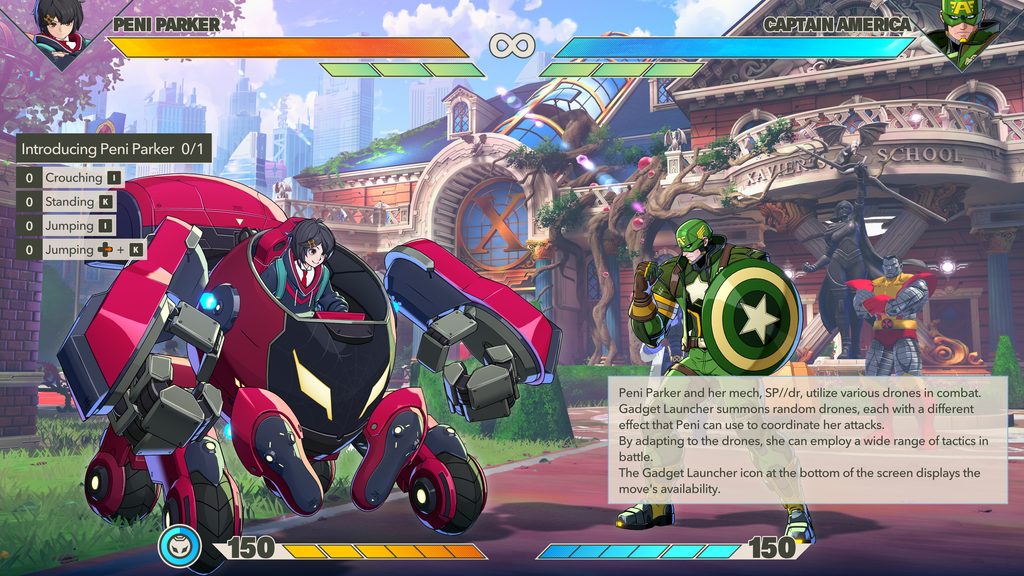
One space the place Tōkon completely delivers is its tutorials. They do a wonderful job of instructing the sport’s offensive, defensive, and management mechanics with out merely throwing partitions of textual content at you. The sport explains every mechanic, makes you really carry out it, and presents all the things in a means that is straightforward to recollect and surprisingly enjoyable to undergo.
There are additionally devoted guides for each character that designate their distinctive mechanics and the way you are really supposed to make use of them. That is particularly helpful in a recreation the place characters can play so in a different way from each other, and I discovered these guides genuinely useful when making an attempt somebody new.
The combo trials are additionally rather well designed. They’re enjoyable to finish whereas providing you with a good suggestion of what every character can really do, relatively than feeling like a random guidelines of combos you may by no means use once more.
It does not fairly attain the extent of Avatar Legends for me, which nonetheless has my favourite tutorial programs in a combating recreation, however Tōkon comes surprisingly shut. Between the tutorials, character guides, and combo trials, that is simply one of many strongest components of its single-player content material.
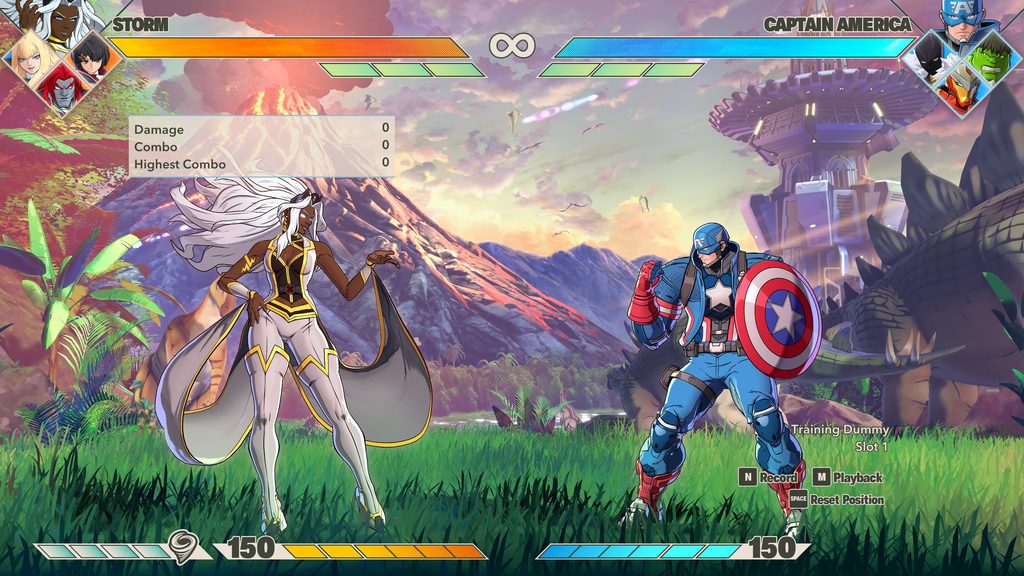
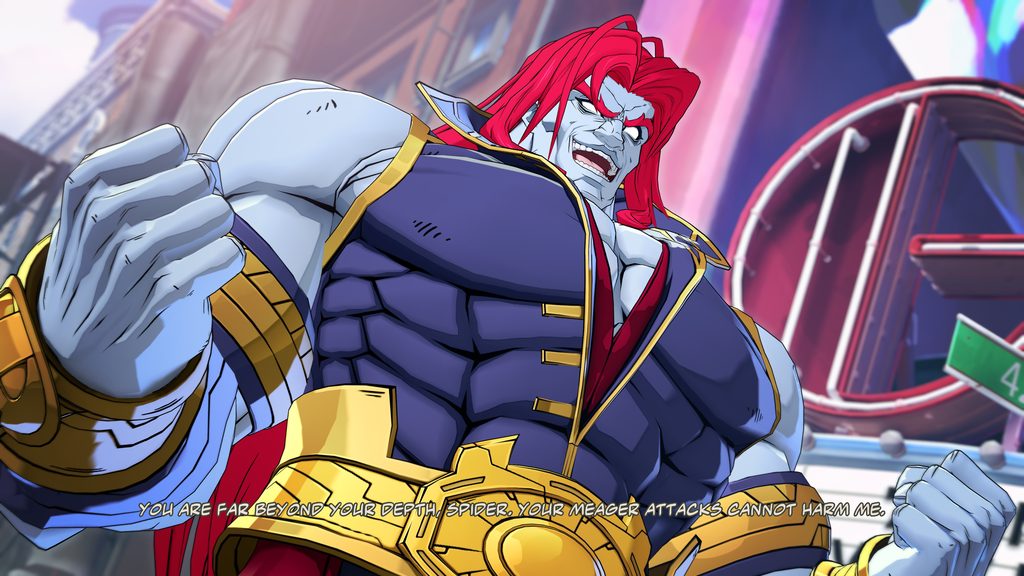
I’ve all the time been an enormous fanboy of Arc System Works on the subject of visuals and 2D artwork, and for essentially the most half, Tōkon did not disappoint me right here. The characters look implausible, with that signature ArcSys model making nearly each member of the Marvel roster appear like they had been made for an anime fighter.
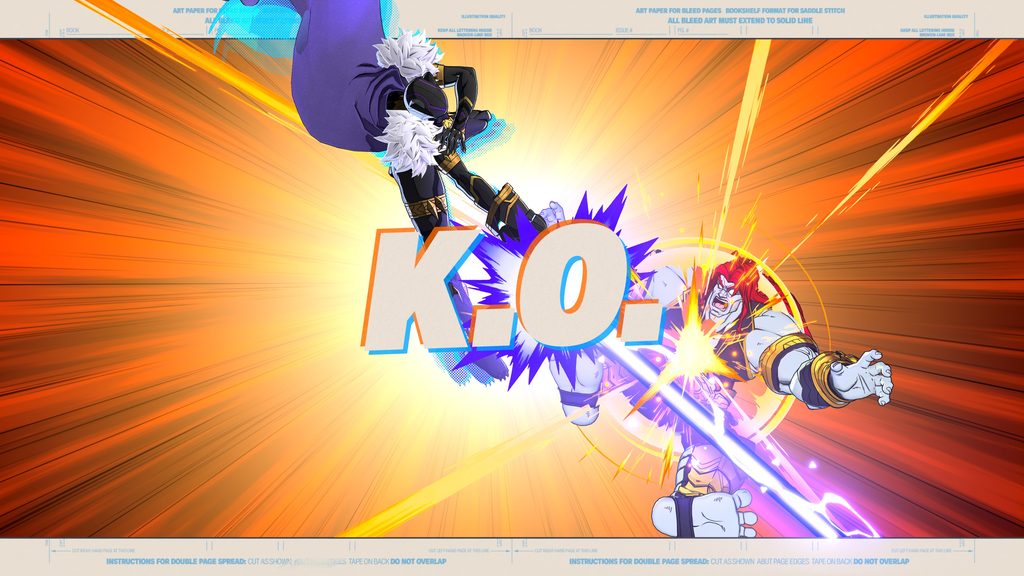
Talent results and animations are equally spectacular. Particular strikes are flashy, colourful, and genuinely hype-inducing, particularly when a number of characters and assists begin flying across the display directly. From the menu designs to the fantastically animated cinematics, nearly all the things does an ideal job of promoting this futuristic Marvel anime aesthetic the sport goes for.
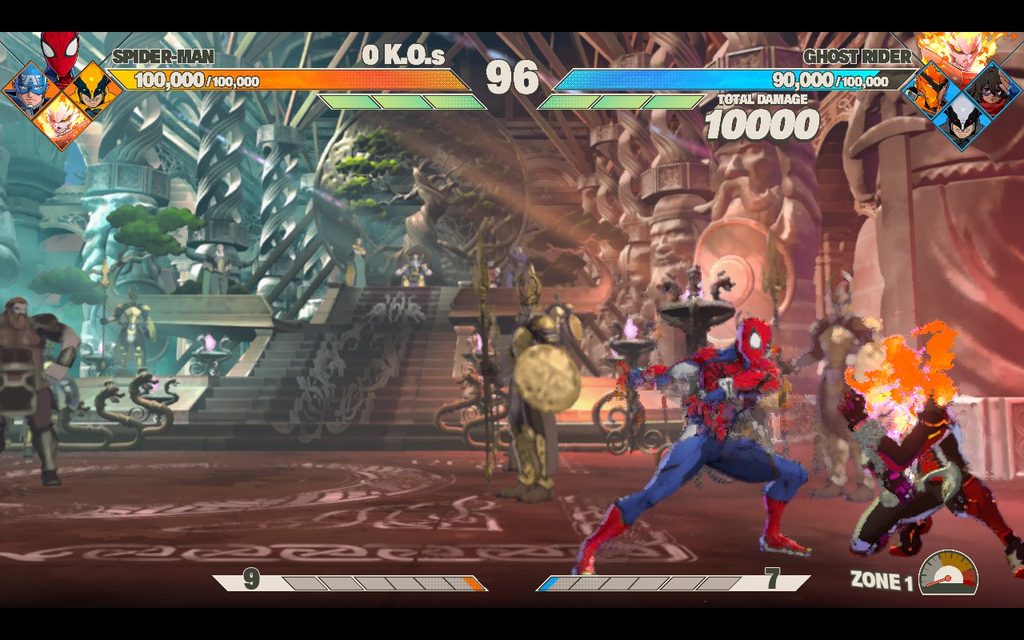
The phases, nonetheless, had been a significant disappointment. In comparison with the quantity of element put into the characters, most of the environments look noticeably decrease high quality and surprisingly bland. The distinction will be fairly distracting, with these beautiful character fashions combating towards backgrounds that merely do not feel on the identical visible degree.
The music is completely implausible. It introduced again a few of that outdated Marvel vs. Capcom feeling for me, particularly with each character having their very own distinctive theme just like the old-school fighters used to do. The soundtrack matches the general anime fighter tone completely and provides so much to Tōkon’s character.
Sadly, I am unable to say the identical concerning the voice performing. I discovered it surprisingly dangerous, particularly for characters like Deadpool, Loki, and Iron Man whose voices and personalities have turn out to be so recognizable through the years. A number of their supply simply sounds misplaced, each in the course of the story and the pre-fight intros, and I by no means actually acquired used to it.
The sound results are extra of a blended bag. Sooner and extra acrobatic characters sound nice, particularly whenever you’re chaining assaults collectively and all the things begins transferring at full velocity. However the greater characters are lacking that very same influence. When somebody like Hulk or Champion lands an enormous hit, I need to hear that heavy ‘THUNK” that makes it really feel like somebody simply acquired completely destroyed. Tōkon by no means fairly delivers that weight, and a few of their strongest assaults find yourself sounding a lot weaker than they appear.
MARVEL Tōkon: Combating Souls – PC Efficiency & Points
Sadly, we won’t discuss Steam Deck efficiency this time round. MARVEL Tōkon: Combating Souls makes use of a kernel-level anti-cheat system, which prevents the sport from launching on SteamOS totally.
However that is removed from the one problem with the PC model. Since that is the model we’re reviewing, I need to talk about the final efficiency when taking part in on PC.
I reviewed Tōkon on an RTX 5090, and even on some of the highly effective GPUs obtainable, the sport is crammed with noticeable stutters. For a combating recreation, the place sustaining a secure expertise is extra vital than in nearly some other style, that is merely not acceptable. The sport appears nice, however nothing taking place on display comes near explaining why a system this highly effective ought to battle with stuttering.
Irrespective of how highly effective your PC is, Tōkon is at present in a horrible technical state, and for a lot of gamers, I might think about it borderline unplayable. Even brute-forcing the sport with high-end {hardware} does not assure the sleek and constant expertise a combating recreation wants.
I additionally need to make it clear that not one of the points or private complaints I discussed on this part will have an effect on the ultimate rating. Since we’re reviewing the PC model, nonetheless, I felt they wanted to be addressed. Take into account this part extra of a warning: in its present state, you merely should not anticipate the fluid combating recreation expertise that Tōkon is meant to supply on PC.
MARVEL Tōkon: Combating Souls – Steam Deck Efficiency on Home windows
MARVEL Tōkon: Combating Souls is sadly not playable on the Steam Deck by means of SteamOS as a result of anti-cheat, which is a bummer. Nevertheless, should you do have Home windows put in on the Deck, the sport does run and will be performed, although it doesn’t carry out nicely.
Even on the lowest potential settings, the sport is not going to hit 60 FPS. Visually, it nonetheless appears okay on the lowest settings, however it can stick between 40 to 50 FPS. For a fighter like this, we actually want a strong 60 FPS, so it’s not one thing I might suggest, particularly if you wish to play on-line.
Conclusion:
MARVEL Tōkon: Combating Souls is a disappointment. Its implausible combo system, glorious defensive mechanics, and exquisite ArcSys visuals present flashes of what might have been a worthy Marvel vs. Capcom religious successor. Sadly, stiff motion, questionable controls, a disappointing tag system, and horrible single-player content material drag the entire expertise down. With the Marvel license and Arc System Works behind it, Tōkon merely ought to have been far more.
The PC model makes issues even worse. Kernel-level anti-cheat fully locks SteamOS customers out, whereas extreme stuttering and optimization points make it tough to get the sleek expertise a combating recreation requires even on high-end {hardware}. These points do not have an effect on my remaining rating, however PC gamers ought to completely maintain them in thoughts earlier than shopping for.
Our evaluate relies on the PC model of this recreation.
Should you loved this evaluate, you’ll want to try the remainder of the content material on SteamDeckHQ! Now we have all kinds of recreation evaluations and information which are certain to assist your gaming expertise. Whether or not you are on the lookout for information, suggestions and tutorials, recreation settings and evaluations, or simply need to keep up-to-date on the most recent developments, we have got your again.
![[REQUEST] Searching for premium video games with LOTS of grind and development](https://i1.wp.com/preview.redd.it/fcnzjrvuyblh1.jpeg?width=640&crop=smart&auto=webp&s=98065e3985b66a009a625575111f7ac26263592b&w=75&resize=75,75&ssl=1)


