
When Ghost of Tsushima launched in 2020 as a PS4 unique, it shortly grew to become one in every of Sony’s most beloved and profitable titles. Gamers had been craving an open-world samurai expertise set in feudal Japan for years, and Sucker Punch delivered precisely that. What’s extra attention-grabbing is that, in comparison with different Sony first-party titles, its finances was comparatively modest. Whereas it’s nonetheless a AAA manufacturing, it didn’t depend on huge funding seen in video games like The Final of Us: Half II or Horizon: Forbidden West. As an alternative, Sucker Punch proved that robust inventive course, a transparent imaginative and prescient, and dedication could be simply as impactful as sheer finances.
The sport follows Jin Sakai, a samurai who loses his father at a younger age and is raised by his uncle, Lord Shimura, the chief of Tsushima and a strict believer within the samurai code. The story begins with a large-scale invasion because the Mongol Empire clashes with the samurai of Tsushima. The battle ends in a devastating defeat for the samurai, with most presumed lifeless and Lord Shimura taken captive.
Jin, nevertheless, survives after being rescued by a mysterious lady, turning into one of many few remaining warriors on the island. With all hope seemingly misplaced, he units out on a mission to rescue his uncle, forging new alliances and recruiting highly effective allies throughout Tsushima alongside the way in which.
The story begins off robust and extremely cinematic. Nevertheless, it feels as if it intentionally shifts into separate narrative arcs, permitting gamers to attach with completely different key characters who share related targets. Whereas this structural change initially provides to the immersion, it additionally introduces a significant subject: inconsistency. Some storylines are totally participating and memorable, whereas others fall into drained cliche territory. At occasions, sure arcs really feel rushed or minimize quick, stopping them from reaching their full potential.
This subject turns into much more obvious within the aspect quests. Whereas some provide storytelling that rivals, and even surpasses, the primary narrative, others depend on repetitive, uninspired setups like “go kill this” or “they took my brother,” turning them into forgettable chores.
Regardless of these flaws, the sport nonetheless delivers a number of extremely well-written moments, morally ambiguous themes, and thrilling motion sequences. For a historic setting, sustaining this degree of narrative engagement is not any simple process, but Sucker Punch manages to shine the place it issues most.
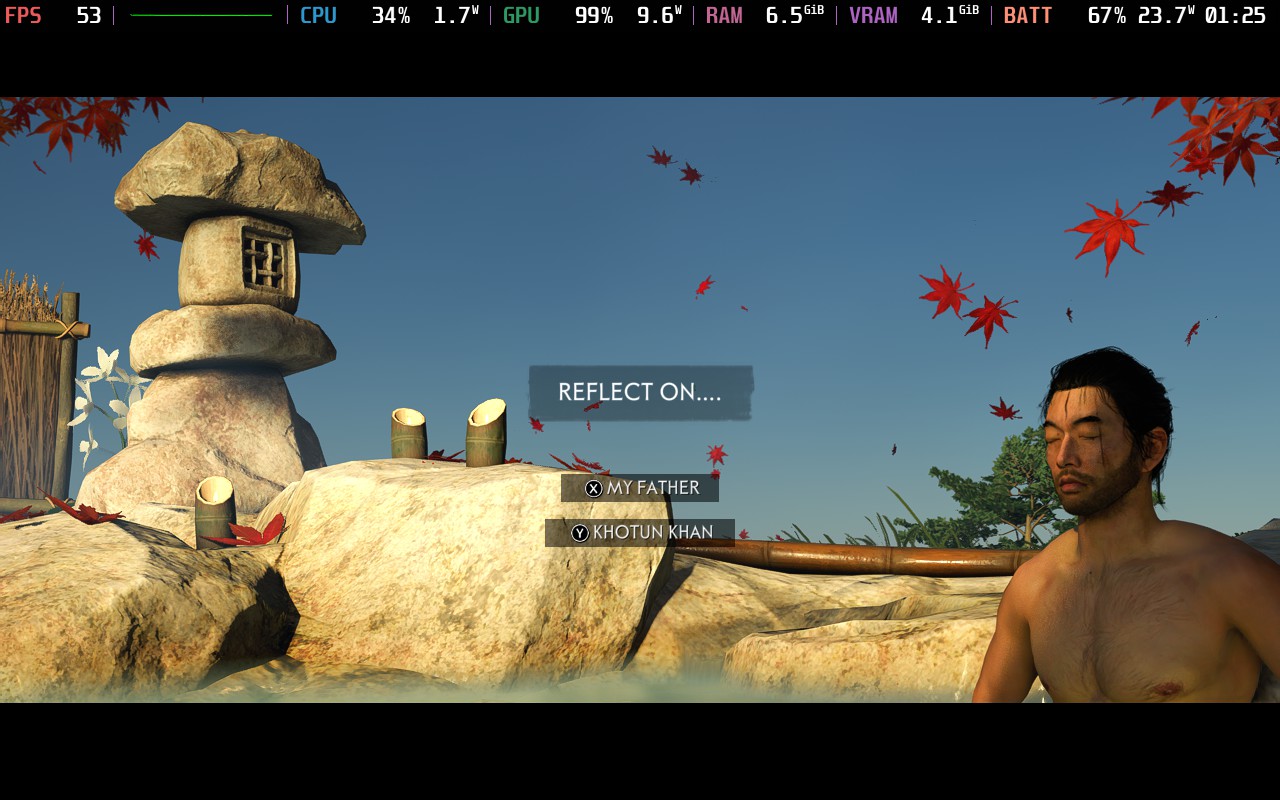
In the case of gameplay, it is a blended bag. The sport contains a huge open world, a phenomenal island to totally discover. But, it’s stuffed with vacancy and Ubisoft-esque aims. They managed to make the sport really feel empty and full of pointless chores and collectibles on the identical time.
The sport gives a really simplistic improve and loot system. You loot parts, improve your gear. You acquire XP to realize new methods or enhance the prevailing ones. Sadly, to do all these, you need to progress by way of uninteresting and repetitive aspect content material. At its core, the sport does a horrible job at holding gamers on observe with the primary mission whereas bettering their character.
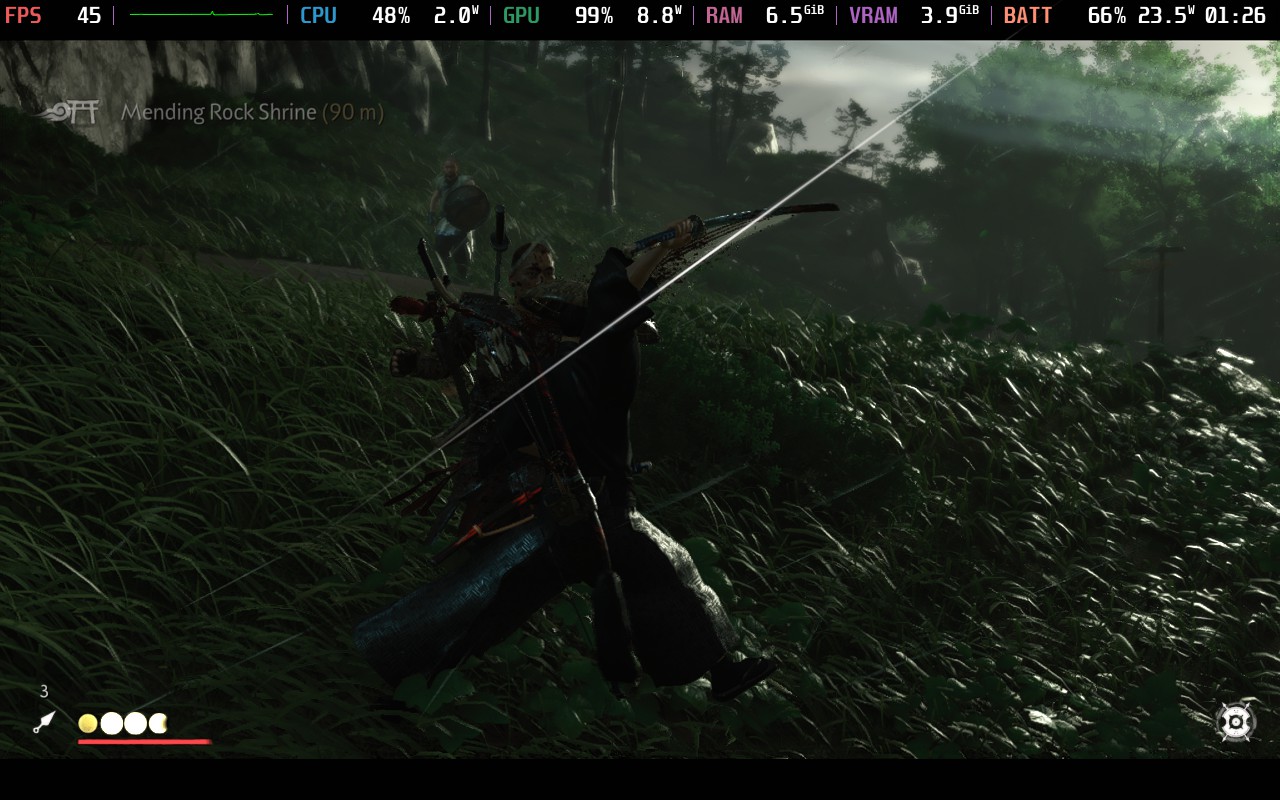
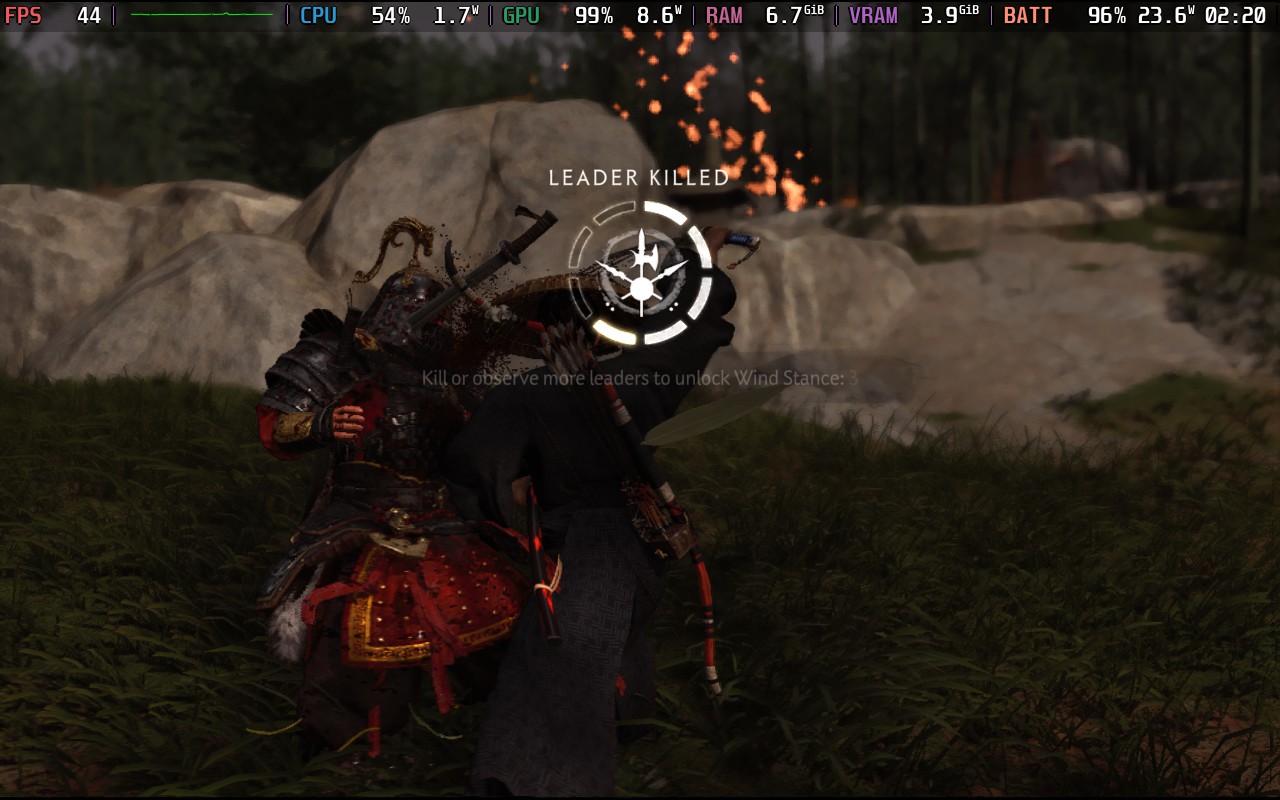
In the case of fight, Ghost of Tsushima deserves all of the reward it will get. It options probably the most satisfying and well-designed fight methods I’ve skilled in an open-world sport.
What stands out essentially the most is the number of mechanics and playstyles, and extra importantly, how they’re built-in into the sport’s general design. In lots of open-world video games with character customization, gamers are sometimes pushed into committing to a single construct or playstyle. Ghost of Tsushima takes a distinct strategy.
The encounter design continually encourages you to adapt. You may interact in exact swordplay, take down enemies from a distance with archery, or depend on stealth, and all of them really feel important slightly than non-compulsory. There are unavoidable duels and ambushes that take a look at your swordsmanship, elevated enemies that demand ranged options, and high-stakes eventualities the place prisoners’ lives pressure you into stealth. Every scenario naturally pushes you towards a distinct strategy.
This fixed shift in gameplay retains fight contemporary and prevents it from ever feeling repetitive or pressured. Extra importantly, all of it flows seamlessly with the sport’s immersion. It’s a whole masterclass in encounter design.
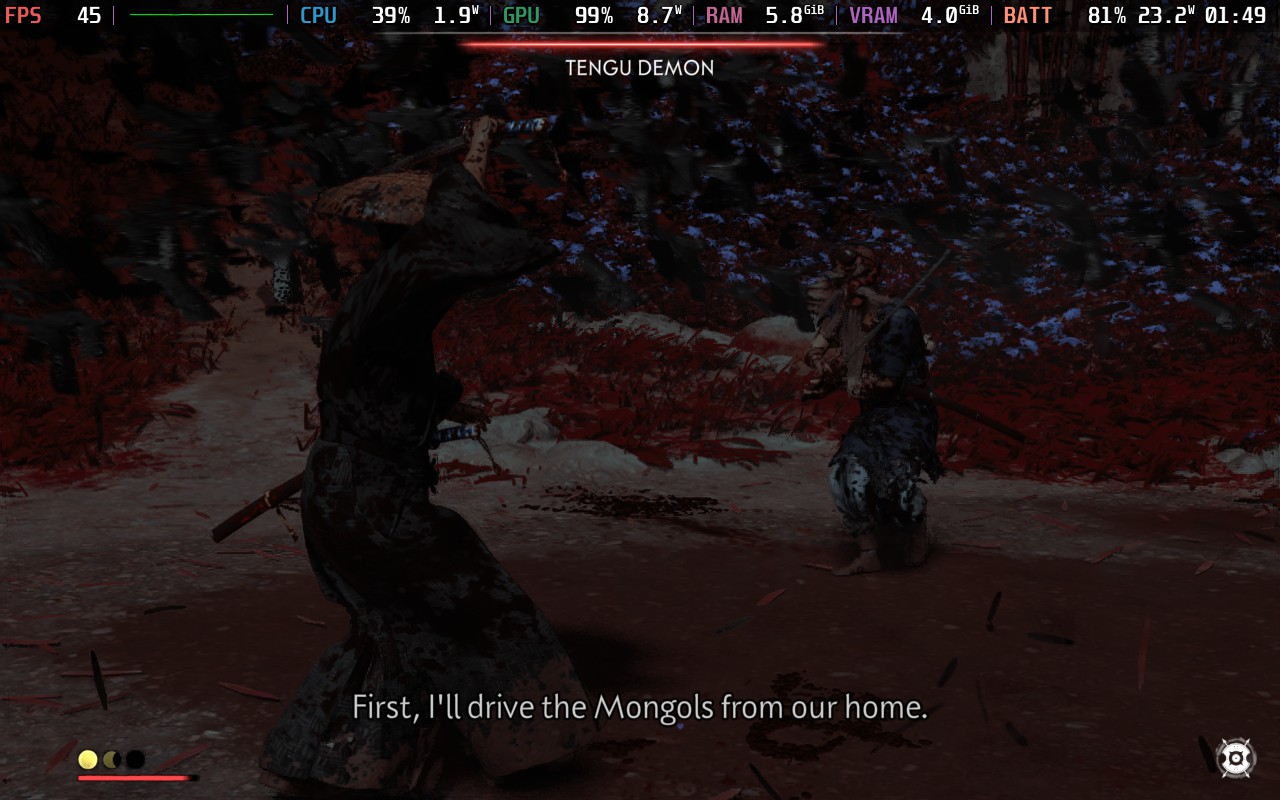
Within the early hours of my playthrough, swordplay and the core dodge, hit, and parry mechanics felt flat. Nevertheless, as the sport opens up and also you unlock new methods and stances, fight regularly turns into much more participating. The introduction of various enemy varieties, mixed with considerate encounter design and the necessary affect of upgrades, elevates the system into one thing satisfying. Every new device and talent provides a layer of depth that retains fights dynamic and rewarding.
I personally leaned closely into the proper parry mechanic, constructing my playstyle round it. On larger difficulties, this strategy felt remarkably near Sekiro, which options one in every of my private favourite sword fight methods.
My solely actual criticism is the dearth of impactful sound design. For a samurai-focused expertise, the audio suggestions, particularly throughout sword clashes and excellent parries, feels underwhelming, and it hinders immersion immensely.
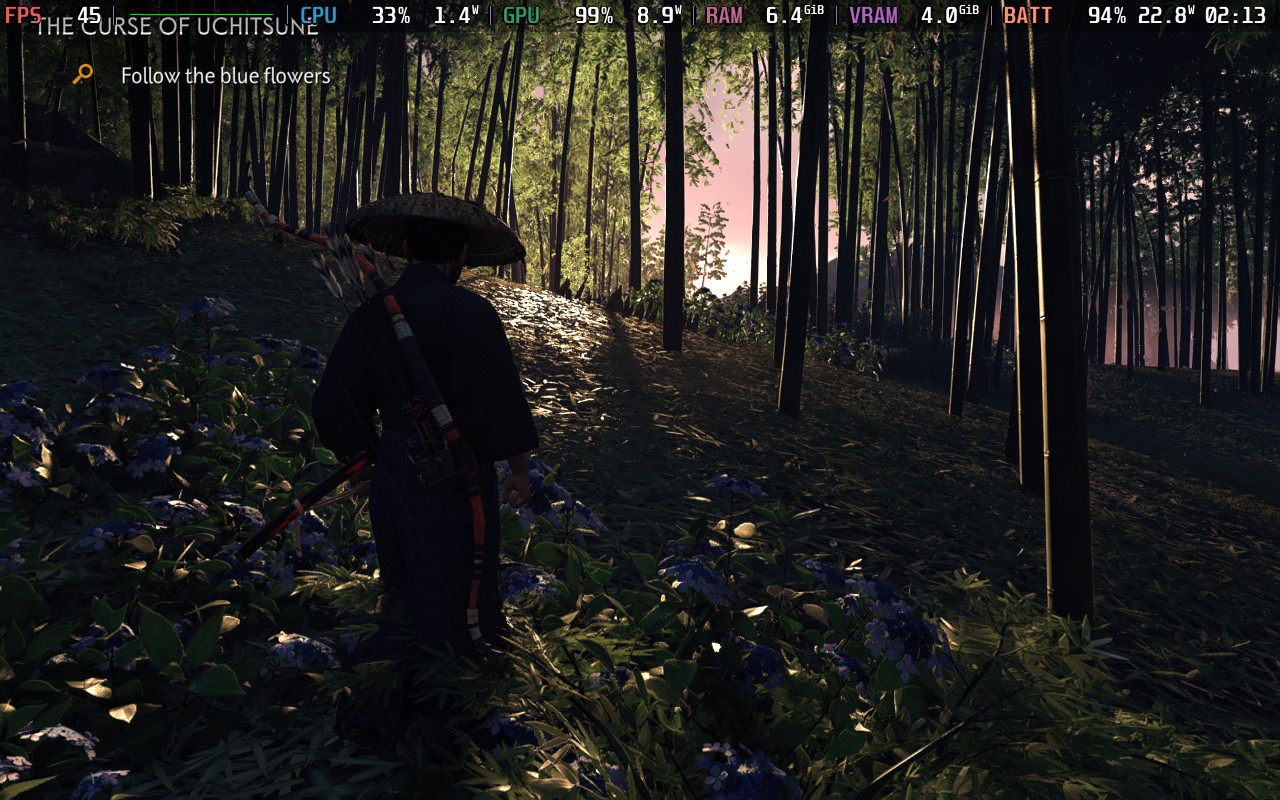
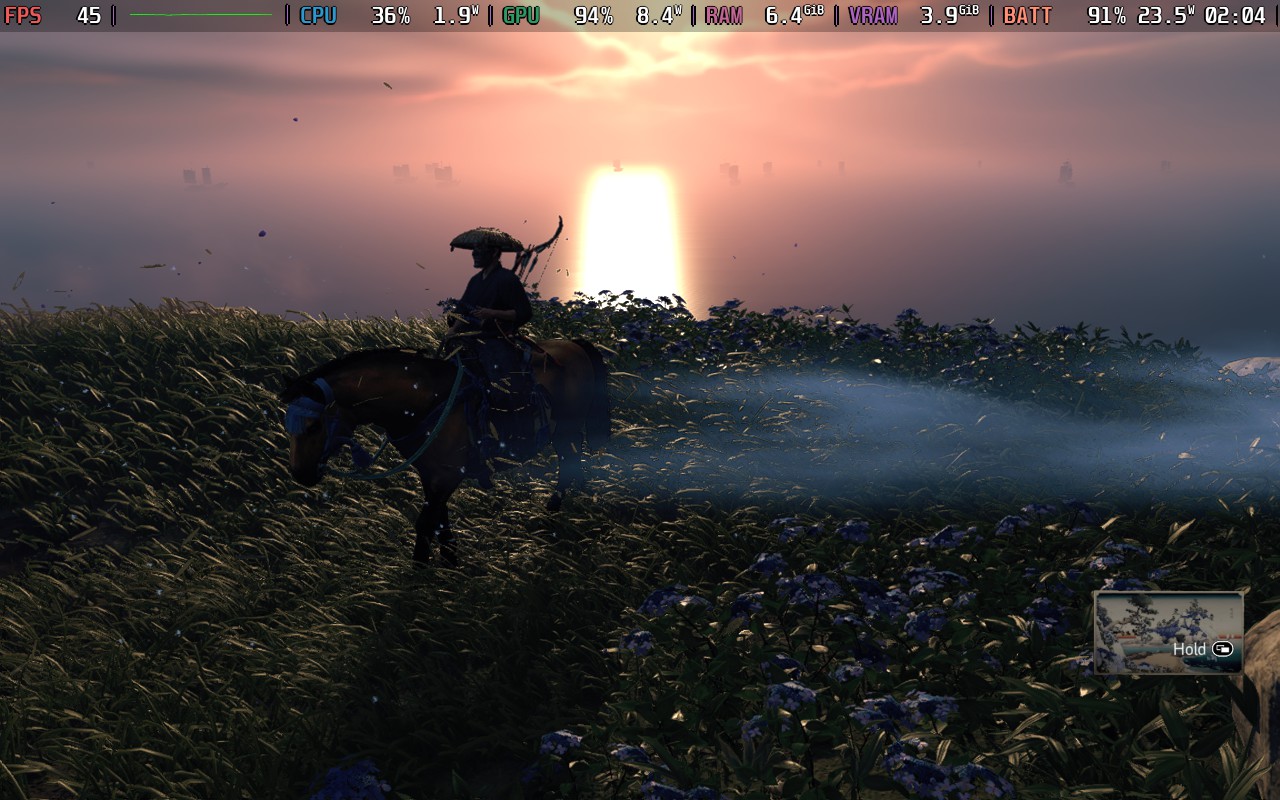
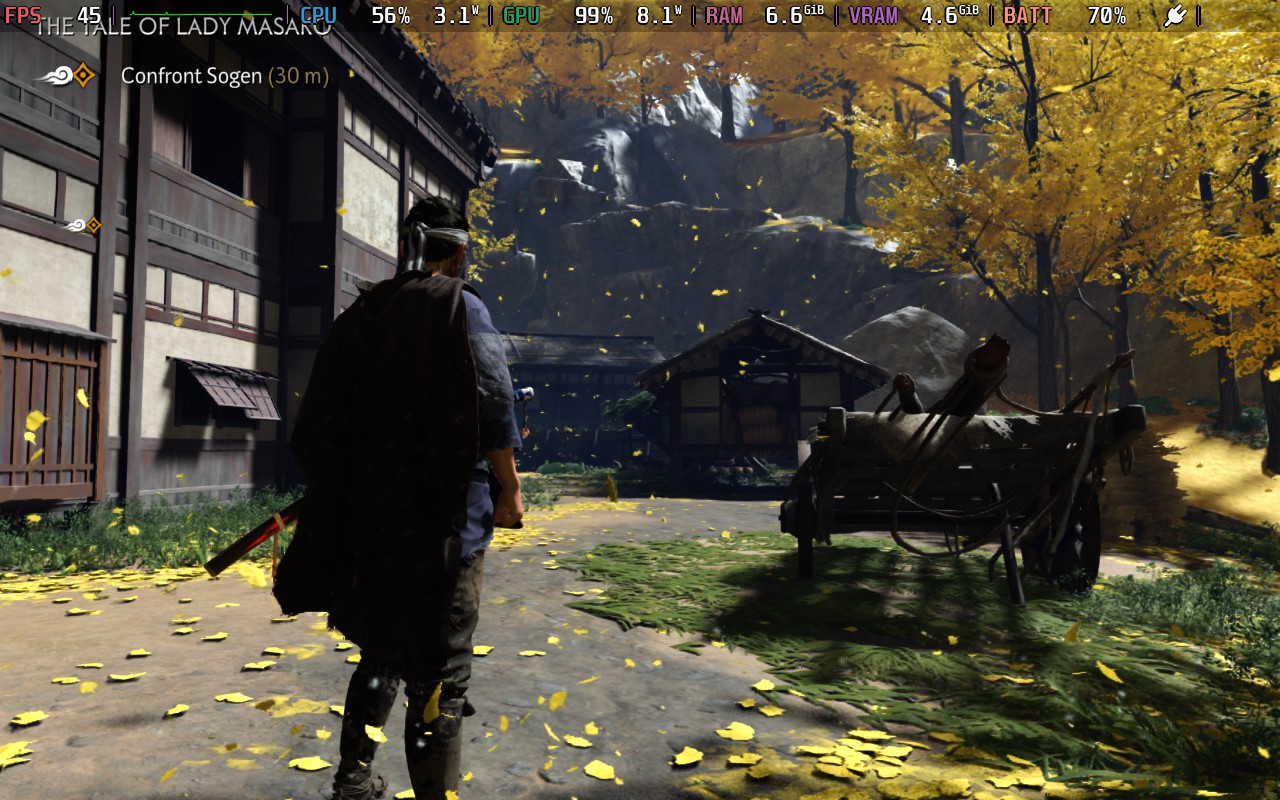
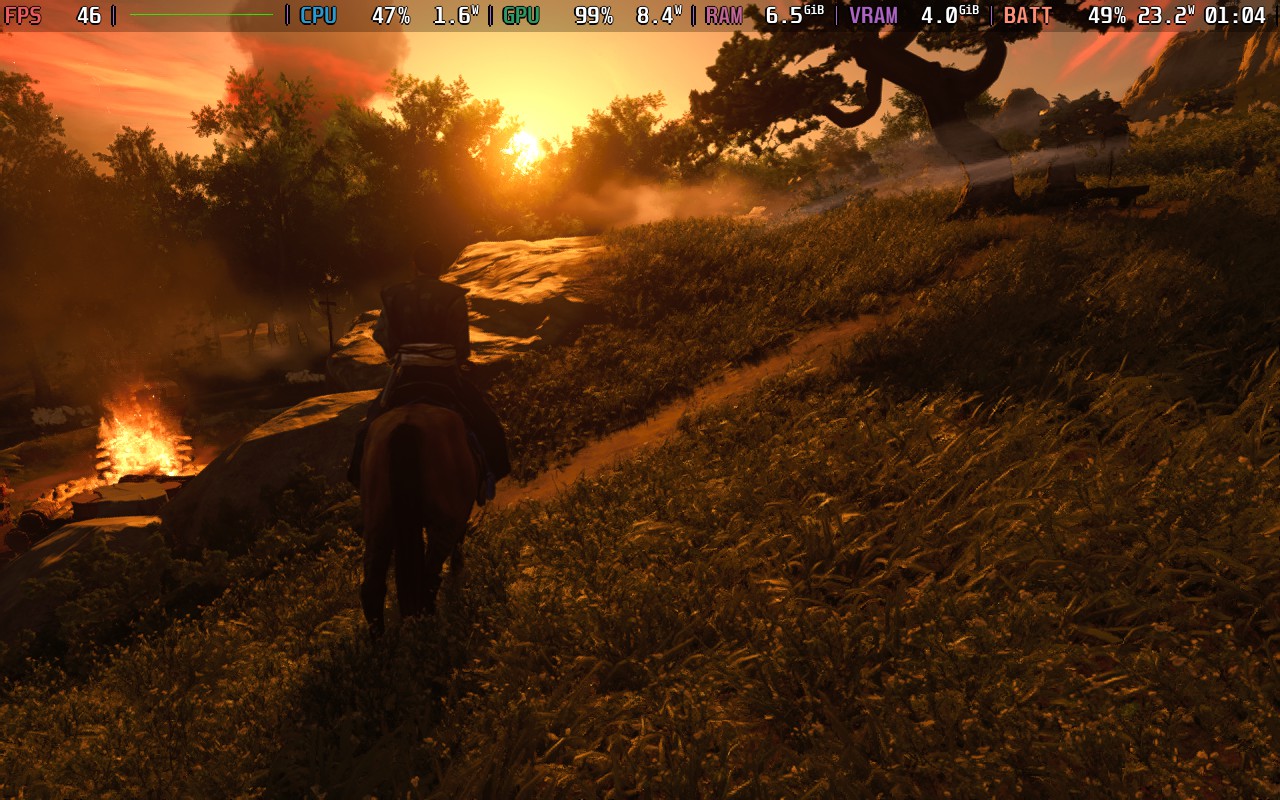
In the case of uncooked technical graphical constancy, the sport isn’t notably spectacular on the Steam Deck, which is to be anticipated, contemplating it was initially developed for the PS4. Nevertheless, the place it really excels is in its artwork course. The mix of gorgeous environmental design and masterful use of lighting makes nearly each scene really feel prefer it’s pulled straight from a movie or a Renaissance portray. Flowing grass fields, vibrant bushes, dynamic climate results, and stylized animations all come collectively fantastically. These components elevate the visuals past pure technical limitations and provides the sport a timeless high quality.
There are occasional points, akin to stiff or out-of-place facial expressions and lower-quality foliage, rocks, and textures. However general, these gripes really feel like nitpicking, as they not often detract from the sport’s immersive qualities.
Sound design and music are one of many weakest facets of the sport. It’s stunning to see a title that excels in immersion in so many areas fall quick in its audio course.
From voice performing to environmental sounds, the general audio expertise can really feel missing in affect. As talked about earlier, even swordplay, one of many sport’s core components, typically lacks the load and presence you’d count on, which is disappointing for a samurai-focused expertise.
The music, whereas current, not often leaves a long-lasting impression. Exterior of some key moments, a lot of the sport feels unusually quiet, particularly throughout exploration. Whether or not this was an intentional design selection or a limitation of the manufacturing, it doesn’t at all times complement the in any other case wealthy environment.
That stated, it finally looks like a missed alternative. With such a powerful visible id and immersive world, the sport deserved a extra memorable and impactful audio expertise.
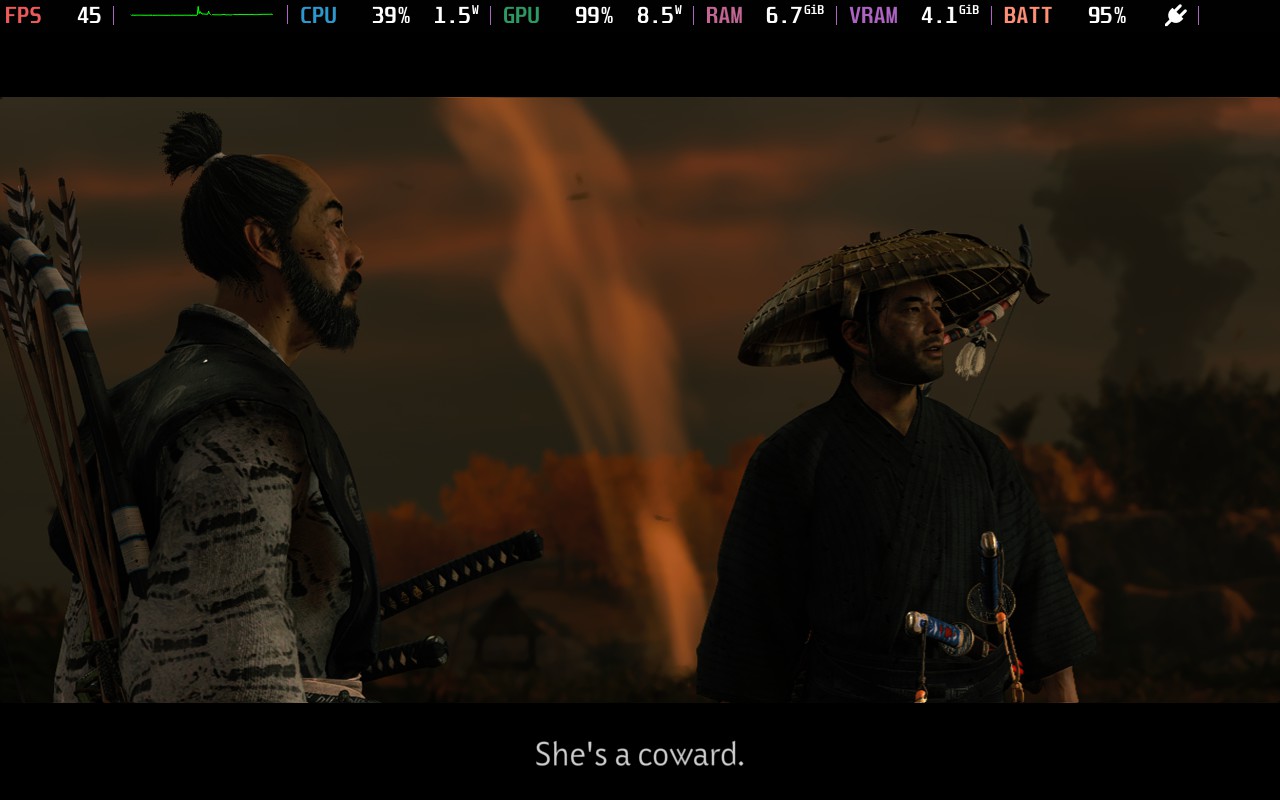
Ghost of Tsushima – Steam Deck Efficiency
All in all, Ghost of Tsushima runs extraordinarily nicely on the Steam Deck.
The sport features a built-in Steam Deck preset, however I strongly advocate avoiding it. In my expertise, it’s each unstable and visually underwhelming, failing to justify its efficiency trade-offs. With the default settings, efficiency fluctuates between 30 and 45 FPS, which feels majorly inconsistent.
With our optimized settings, you may obtain a steady 45 FPS expertise with minimal visible compromise. All through testing, I encountered no stutters, efficiency drops, or noticeable enter lag. Curiously, this end result was largely made potential by the dynamic decision upscaler. Paradoxically, I usually dislike variable decision or scaling methods, since they typically introduce undesirable blur or basic inconsistencies. Nevertheless, on this case, it delivers a surprisingly clear and steady picture.
Regardless of how a lot I tweaked the graphical settings alone, I couldn’t obtain a constant 45 FPS lock. The sport would both dip into the excessive 30s or introduce slight enter lag when counting on Steam’s body limiting as a substitute.
The one subject I might discover was HDR. I don’t have a tendency to make use of HDR in my playthroughs, each private {and professional}, so I often hold it disabled, however this sport is unplayably darkish with out HDR, and I couldn’t discover a repair. Even at max brightness, the sport seems extraordinarily darkish.
Setting dynamic decision to focus on 45 FPS permits the sport to intelligently alter its inner decision throughout demanding scenes, sustaining a steady body charge with out introducing any noticeable enter lag.
My earlier expertise with dynamic decision in Horizon: Forbidden West was far much less constructive. There, aggressive scaling typically resulted in a blurry, nearly cloud-like streaming picture. In distinction, Ghost of Tsushima handles it remarkably nicely. I skilled constant 45 FPS gameplay from begin to end, with no vital visible compromises and surprisingly robust picture high quality.
For the graphical settings, my objective was to strike a cautious stability between efficiency and visuals. I prioritized choices which have a significant affect on picture high quality whereas minimizing their efficiency price. The result’s a mixture of decrease settings the place the visible distinction is negligible, and better settings the place they honestly matter, making a well-balanced and extremely playable expertise.
It’s potential to realize a stable-ish 60 FPS expertise, but it surely comes at the price of vital visible compromises that diminish the sport’s standout environment and lighting. Then again, a visually spectacular 30 FPS setup preserves the sport’s magnificence however makes the fast-paced, precision-based fight really feel much less responsive and more and more irritating.
Due to this, I strongly advocate enjoying the sport at a locked 45 FPS with our optimized settings, as they provide the very best stability between visible constancy and responsiveness.
Conclusion
Ghost of Tsushima is a visually gorgeous expertise that excels in fight and artwork course, however falls quick in areas like repetition, a cliche narratives, and underwhelming sound design. It stands as a contradictory “blended bag” sport, irritating at occasions, but undeniably spectacular in what it achieves. Regardless of its flaws, it efficiently delivers on the long-awaited samurai fantasy many gamers have been yearning for years.
Because of its origins as a PS4 title and its glorious optimization, the sport runs exceptionally nicely on the Steam Deck. It stands out as a uncommon AAA expertise that not solely performs nice on the platform but additionally feels tailored for it, making it a simple suggestion for Steam Deck customers.
Our assessment is predicated on the PC model of this sport.
In case you loved this assessment, be sure you take a look at the remainder of the content material on SteamDeckHQ! We now have all kinds of sport opinions and information which are certain to assist your gaming expertise. Whether or not you are searching for information, ideas and tutorials, sport settings and opinions, or simply wish to keep up-to-date on the most recent tendencies, we have your again.


![[DEV] All Who Wander v1.3.2 is out that includes new creatures! A conventional roguelike for followers of Shattered Pixel Dungeon!](https://i0.wp.com/preview.redd.it/awzs5yyvbpph1.gif?width=640&crop=smart&s=f56b4054a4fb575ed4ba8b69f2d1047176c7b68c&w=120&resize=120,86&ssl=1)

